Most coaching classrooms need stable, quiet comfort heating rather than the extreme temperatures used in furnaces, ovens and process equipment. You will be able to compare heating systems, calculate the required capacity, check combustion safety and specify fuel infrastructure before choosing equipment for a Surat institute.
Key takeaways
- Use comfort heating for classrooms, study halls and hostels—not industrial process temperatures.
- Calculate room heat loss before selecting burner capacity or a high-temperature heating system.
- Keep combustion gases outside occupied rooms and install ventilation, controls and safety interlocks.
- Compare LPG, natural gas and oil against availability, storage, maintenance and operating cost.
Does a coaching institute need high-temperature heating?
Usually, no. Classrooms, study halls, reception areas, staff rooms and hostels need controlled comfort heating, not an industrial flame. Define the requirement by three measurements: the target room or process temperature, the delivered-air temperature, and the heat actually transferred into the space.
A burner flame can be far hotter than the air delivered through a heat exchanger, so flame temperature alone does not prove suitability.
| Space | Required condition | Suitable approach |
|---|---|---|
| Classrooms and study halls | Stable room comfort with fresh air | Controlled warm air, hot water or sealed indirect heating |
| Reception and staff rooms | Low, variable part-load demand | Modulating comfort system with quiet distribution |
| Hostels and kitchens | Occupied spaces with schedules and ventilation | Indirect warm air or hot-water heating; dedicated kitchen process heat where needed |
| Workshops, furnaces and ovens | A specified process temperature, not merely warm occupants | High-temperature heating system with heat exchanger, insulation, controls and flue |
Furnaces and ovens need high firing temperatures because their products, molds or chambers must reach a defined process temperature. A classroom normally needs useful heat at a much lower delivery temperature; direct-fired gas or LPG equipment can also add combustion products and water vapour indoors.
A published 120 kW minimum is a burner capacity, not a recommended classroom size, and can mismatch smaller institute spaces.
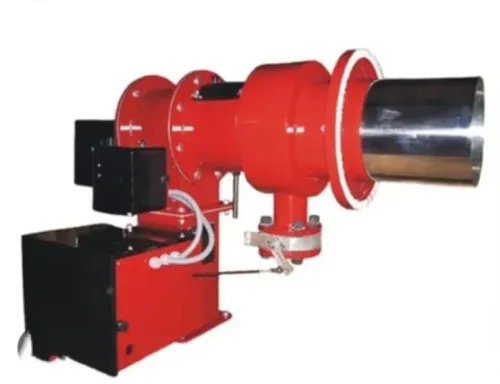
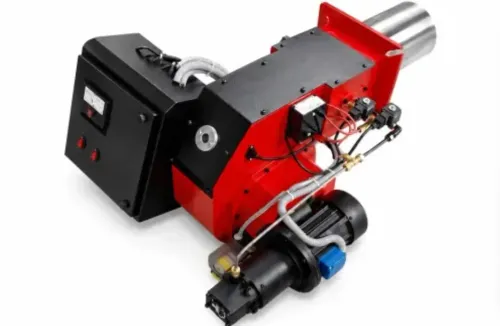
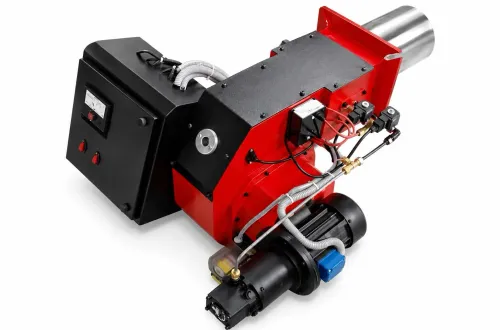
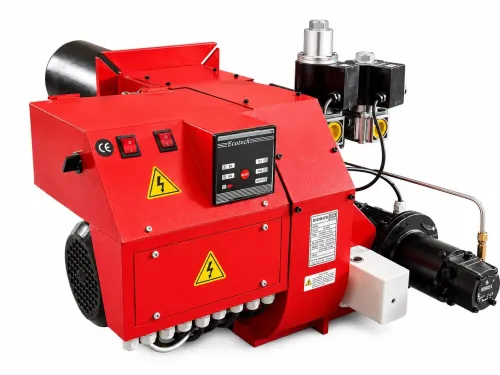
Choose a high temperature burner for coaching institutes in Surat only for a genuine high-temperature process or a properly engineered heat-transfer system. Do not choose a high temperature burner for coaching institutes in Surat merely because it produces more heat.
High-temperature burner comparison: which system heats students best?
For classrooms, split air conditioners or heat pumps usually provide better comfort control than a high-temperature burner. Compare delivered room-heating capacity, seasonal efficiency and turndown ratio, not maximum flame temperature.
| Option | Delivered heat and efficiency | Noise, exhaust and installation | Best fit |
|---|---|---|---|
| High-temperature burner | High output; efficiency depends on heat exchanger, controls and load matching | Fuel, combustion air, flue, safety controls and maintenance access required | Workshops, kitchens or genuine process heating |
| Split air conditioner | Modulating room heat with strong part-load control | Quiet indoor unit; electrical capacity and outdoor-unit space required | Classrooms, reception desks and staff rooms |
| Heat pump | Efficient seasonal heating where outdoor conditions support it | Low local exhaust; defrost cycles and electrical supply affect performance | Classrooms, offices and hostels |
| Electric resistance heater | Simple, direct heat; full-load power draw is substantial | No flue or combustion air; circuit capacity and heat protection required | Small rooms or occasional use |
| Radiant heater | Heats occupants and surfaces rather than room air | Heat pattern, mounting clearance and surface temperature matter | Reception areas, workshops and intermittently occupied spaces |
| Ordinary hot-air system | Fast air delivery; efficiency follows its heat source and duct losses | Fan noise, ductwork, flue and air-distribution balancing matter | Larger halls and engineered central systems |
Modulation matters because occupancy and outdoor temperature change the load. Poor turndown causes repeated ignition and shutdown, temperature swings and faster wear.
Choose combustion-based coaching institute heating equipment only with a matched fuel train, purge, flame supervision, automatic shut-off, combustion-air interlock and flue. Keep room thermostats separate from burner safety controls.
A radiant system may suit a reception desk; a heat pump suits a hostel; a burner belongs in a workshop when its heat-transfer system is properly engineered.
How to calculate the heating load before choosing capacity
Start with each room’s area and ceiling height, then record wall and roof construction, insulation, window area, glazing type, door-opening frequency, occupancy, ventilation rate, infiltration and target indoor temperature. Use Surat’s selected outdoor design condition from the project engineer or HVAC design brief, not an arbitrary winter temperature.
For each space, calculate:
- Transmission loss through walls, roof, windows and doors.
- Outdoor-air and infiltration load from ventilation, leakage and door openings.
- Internal gains from students, staff, lighting and equipment.
- Solar gains through windows, then subtract them from the design load where appropriate.
| Space | Main load difference | Design information to verify |
|---|---|---|
| Classroom | Dense occupancy and frequent fresh-air demand | Student count, ventilation rate, class schedule and door openings |
| Reception | Lower occupancy but repeated entry traffic | Door frequency, waiting-area volume and operating hours |
| Hostel, kitchen or workshop | Different schedules, exhaust and process gains | Sleeping occupancy, hood exhaust, machinery and makeup air |
Calculate rooms independently; a classroom does not share the same ventilation load as a reception area. Add the room loads only after checking simultaneous operation.
Convert the design load into delivered output by allowing for duct, fan, heat-exchanger and flue losses. Do not choose coaching institute heating equipment from floor area alone.
Compare the result with the available turndown and part-load control of the high temperature heating system: oversizing causes short-cycling, fuel waste and uneven comfort, while an undersized unit cannot recover after door openings or fresh-air changes.
Can combustion heating operate safely inside occupied classrooms?
Yes, but only if combustion products stay out of the classroom. A direct-fired gas or LPG heater discharges carbon monoxide, other flue gases and water vapour into occupied air. Its design must prove adequate combustion-air supply, oxygen control, ventilation, carbon-monoxide monitoring and flue-gas discharge.
An indirect-fired system separates the flame from room air with a heat exchanger and sealed flue. That arrangement is easier to control when students occupy the room for several hours, although the heat exchanger, fan, ducting and flue still need engineering as one high temperature heating system.
Specify and verify the coaching institute heating equipment in this order:
- Identify the combustion chamber, heat-exchanger material limit, refractory or insulation, fan duty, duct pressure and complete flue route.
- Document the purge sequence, ignition sequence, flame supervision, automatic shut-off valves, fuel-pressure regulation, airflow proving and high-temperature limits.
- Separate the room thermostat or building-management signal from burner safety controls. A heat request must never bypass purge, flame supervision, airflow proving, temperature limits or fuel shut-off logic.
- Commission at minimum, nominal and maximum firing rates. Record fuel pressure, oxygen or carbon-dioxide level, carbon monoxide, flue temperature, draft and delivered output.
Changing only the burner can overheat an existing heat exchanger, exceed its material limit, increase flue losses or create unsafe positive pressure in the combustion space. A manual isolation valve and burner controller do not replace a complete safety system.
Fuel, site infrastructure and the Surat procurement decision
Fuel choice must follow verified site conditions, not assumed Surat prices or supply. This high-temperature burner comparison starts with the actual pressure and peak flow at the burner train.
| Fuel | Verify before selection | Site burden and failure risk |
|---|---|---|
| PNG | Regulator outlet pressure, pipe diameter, meter and peak capacity | Pressure drop, flue permission and electrical backup |
| LPG | Cylinder or tank capacity, liquid temperature and withdrawal rate | Storage, delivery access and vaporizer space |
| Diesel or other oil | Tank, pump pressure, filtration and fuel viscosity | Bunding, soot, nozzle servicing and preheating for viscous oil |
| Dual fuel | Separate train capacities and fuel-specific settings | More controls, changeover logic and commissioning points |
- Ask the gas supplier or engineer to measure the PNG regulator and pipe capacity at peak demand. An LPG-rated nameplate does not prove that the building can deliver the required flow.
- Specify an LPG vaporizer when withdrawal exceeds natural vaporisation at the lowest expected liquid temperature. Record peak and continuous load, inlet-liquid conditions, outlet pressure, control method, redundancy and liquid-carryover protection; sizing only by burner kW can cause frosting or pressure collapse.
- Require an oil tank with bunding, filtration, pumps, nozzle maintenance and soot control. Dual-fuel equipment needs independent commissioning, flame-failure protection and separate air settings for each fuel.
Confirm space for combustion air, a flue route, emissions compliance, backup power and local service response. A site survey by ECOTECH BURNERS MFG CO can validate a custom combustion train, vaporizer or heat exchanger.
For a normal classroom, use it to confirm safe indirect heating—or reject the high-temperature burner for coaching institutes in Surat in favour of standard comfort heating.
Related products
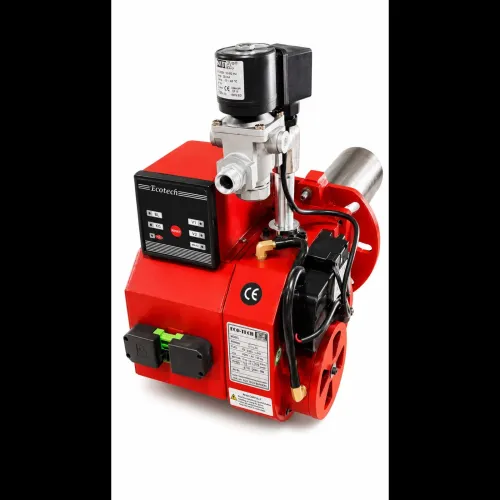
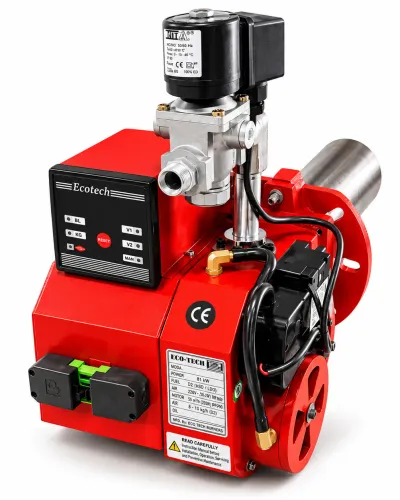
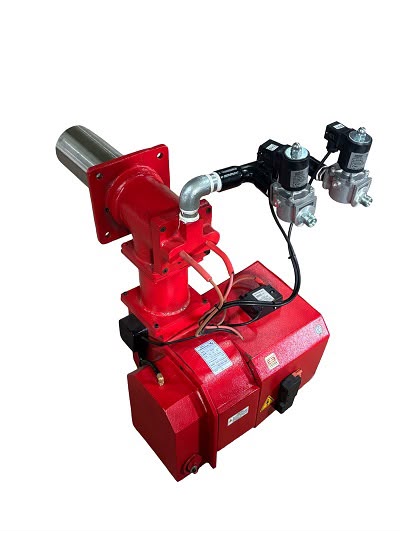 | High Temperature Burners High Temperature Industrial Burners Advanced Heating Solutions for High-Temperature Industrial Applications We provide high-performance High... View product → |
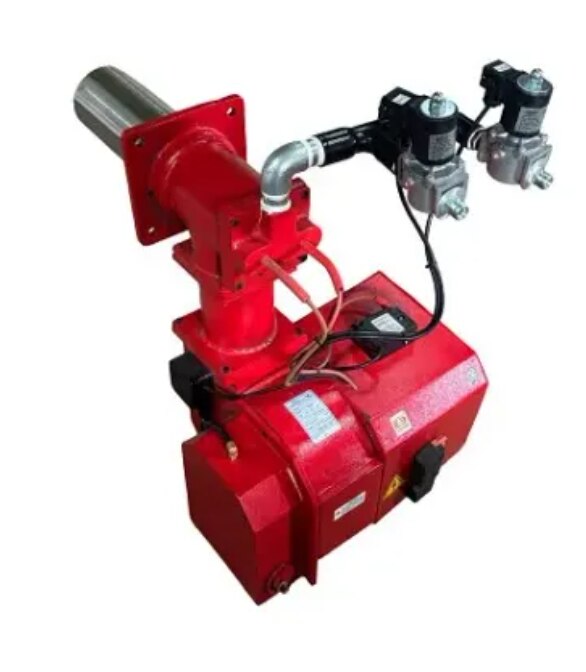
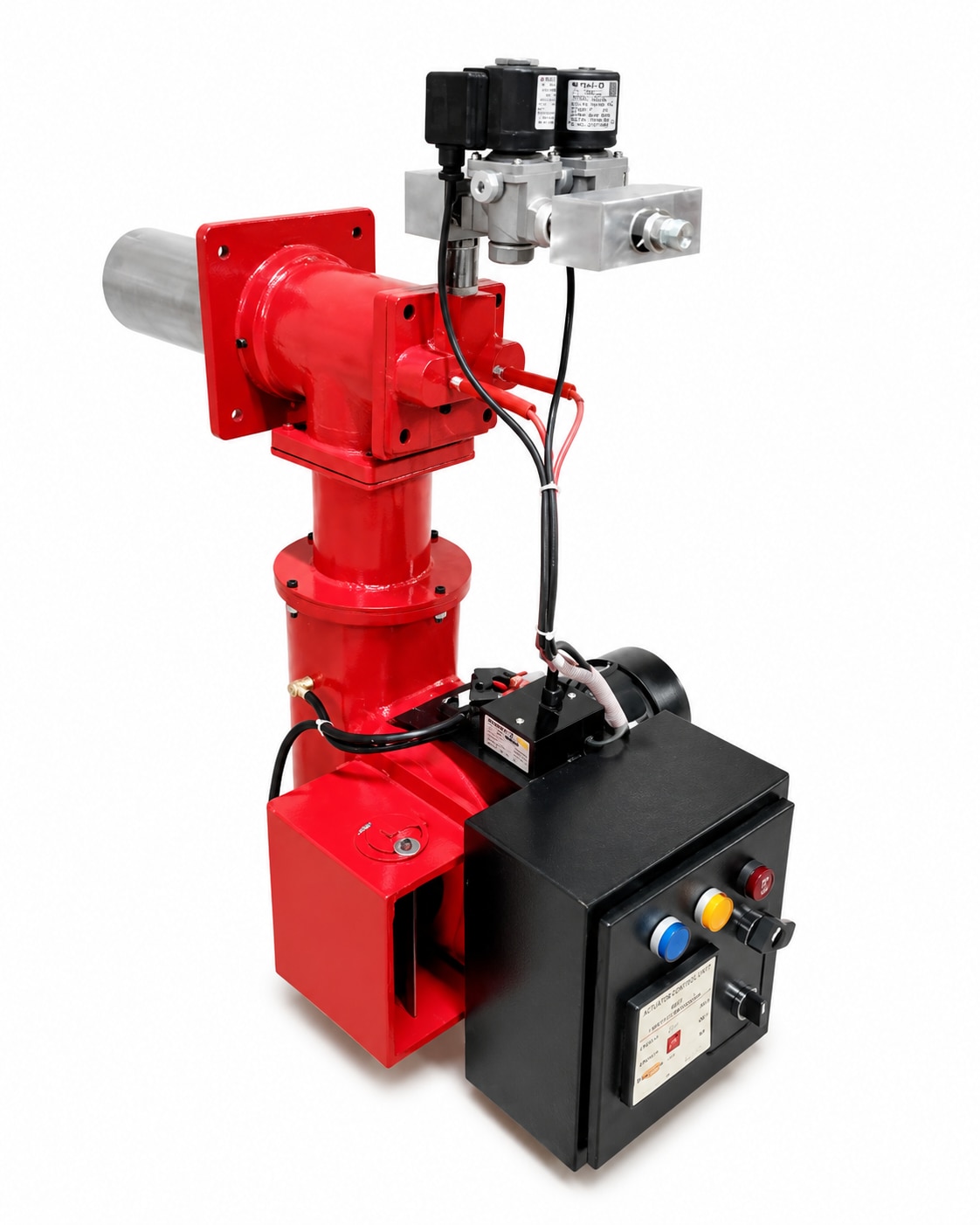 | Customized Burners Costumized Burner (120kw to 10500kw )Available in versions for different types of gas. A compact burner, easy to install. View product → |
Frequently asked questions
Does a coaching institute need a high-temperature burner?
Usually not. Classrooms, study halls, reception areas, staff rooms and hostels need controlled comfort heating rather than industrial process temperatures. Use a high-temperature burner only for a defined process that requires elevated air or surface temperatures.
Which heating system heats students best?
A system that delivers even room temperatures, low noise and clean indoor air is usually better than one with the highest flame temperature. Compare radiant and warm-air systems by heat distribution, controls, ventilation and maintenance.
How do you calculate heating load for a coaching institute?
Estimate heat loss through walls, roofs, windows, doors and ventilation, then add the load from occupants and equipment. Use the room dimensions, insulation, glazing, outdoor design temperature and required indoor temperature before choosing capacity.
Can combustion heating operate safely inside occupied classrooms?
Yes, when the design keeps combustion products outside occupied rooms and includes correctly sized flues, fresh-air supply, flame supervision, fuel shut-off valves, carbon-monoxide detection and regular inspection. Do not use an unflued combustion appliance in a classroom.
What should you compare when buying heating equipment in Surat?
Check fuel availability, LPG storage or gas connection requirements, electrical supply, flue routing, ventilation, service access, controls, noise and local installation constraints. Compare industrial burner options in Surat only after defining the actual comfort-heating load.
Related products
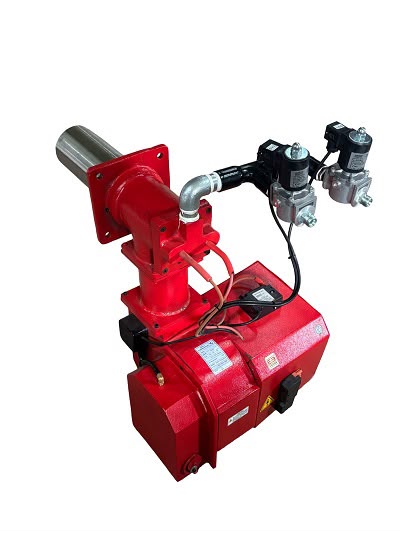 | High Temperature Burners High Temperature Burner (120kw to 10500kw )Available in versions for different types of gas. A compact burner, easy to install. View product → |
 | Gas Burners Gas burner (20 kw to 10500 )Available in versions for different types of gas. A compact burner, easy to install. Designed for easy maintenance. View product → |
Keywords