Seasonal bakeries need a burner that reaches baking temperature quickly at peak demand but remains stable during short runs and low production. By comparing fuel handling, oven heat transfer, capacity, local installation conditions and total seasonal cost, you can decide whether heavy oil delivers a real advantage or creates avoidable downtime.
Key takeaways
- Obtain fuel viscosity, sulphur, ash, water and sediment values before comparing quotations.
- Size for peak heat demand while protecting stable low-fire operation during slow periods.
- Specify heated tanks, tracing, filtration and commissioning support for Surat’s operating conditions.
- Choose heavy oil only when fuel savings outweigh preheating, maintenance and emissions work.
What heavy oil requires before it reaches the bakery burner
Confirm the fuel before comparing burner quotations. Heavy fuel oil or furnace oil grades are not interchangeable: obtain the supplier’s certificate for viscosity, sulphur, ash, water and sediment, then match those values to the burner manufacturer’s approved fuel specification.
| Requirement | Confirm before ordering | Failure if missed |
|---|---|---|
| Fuel grade | Approved heavy/furnace oil grade and laboratory properties | Ash, sulphur or water can increase smoke, deposits and corrosion |
| Viscosity | Maximum viscosity at the pump and nozzle inlet, stated in cSt at the specified temperature | Cold, thick fuel produces large droplets, delayed ignition and carbon |
| Heating | Fuel-heater setpoint that achieves the required inlet viscosity | A generic temperature setting can overheat fuel or leave it unatomised |
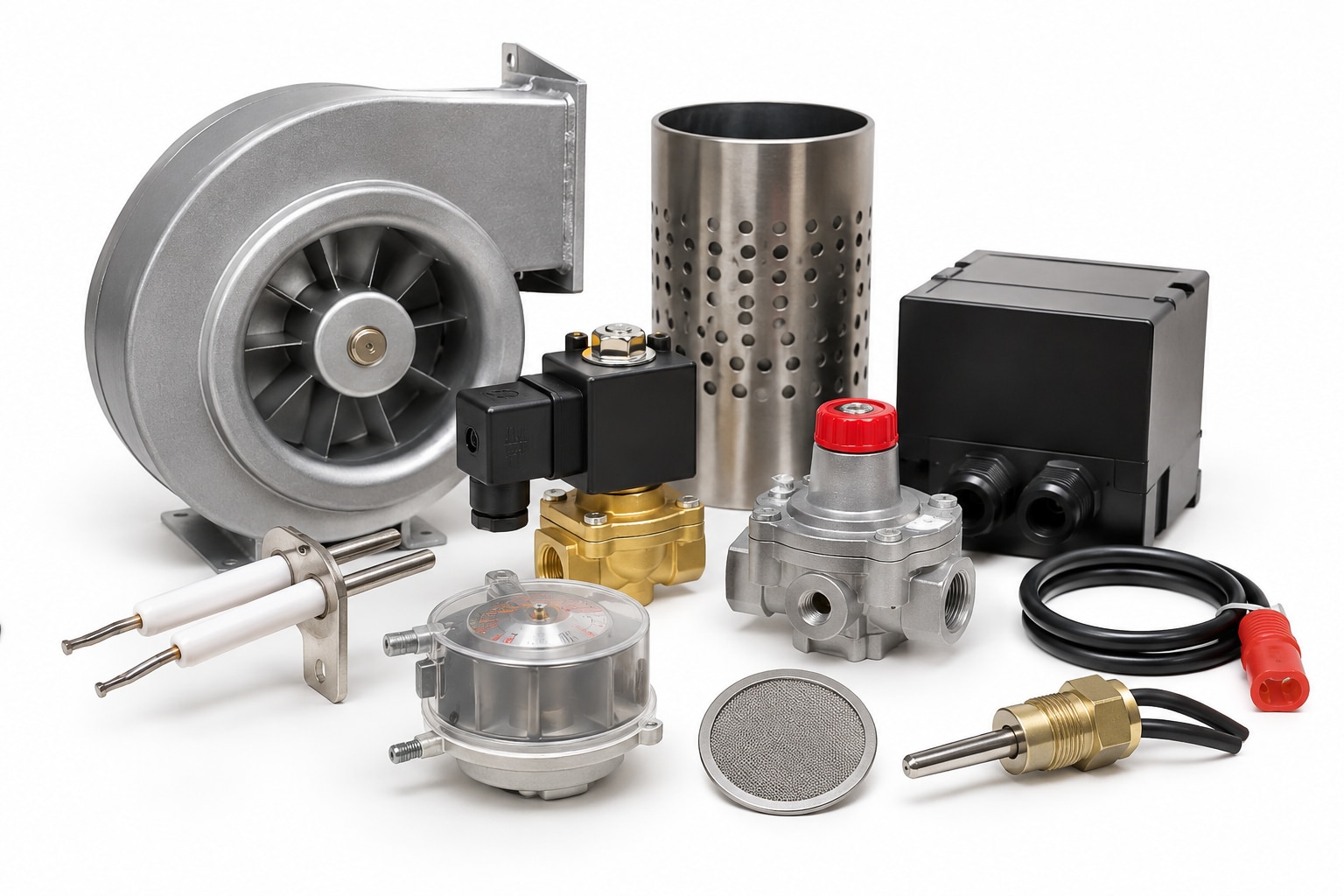
| Filtration | Suction strainer, serviceable or duplex filters, filtration rating and differential-pressure limit | Sludge blocks the nozzle and trips the burner |
| Fuel circulation | Heated day tank or storage arrangement, heated line, return line and drain points | Wax, water and settled sludge reach the pump |
The heater must control the fuel at the burner, not merely warm the storage tank. Ask for the required temperature, pump capacity and viscosity range in writing; do not select them from a generic catalogue.
For seasonal production, include circulation and preheating time in the start-up plan. A dual-fuel arrangement can protect baking schedules during heater, pump or filtration faults, but oil and gas need separate air, ignition and flame-monitoring settings. These are practical heavy oil burner benefits in Surat only when the fuel system is designed with the burner.
How to size an oil burner for peak bakery demand without unstable low fire
Peak capacity must cover the oven’s product load, heat losses and required heat-up time—not chamber volume alone. A bakery oven oil burner in Surat that is sized only from the nameplate volume can struggle during recovery, then cycle violently when seasonal production falls.
1. Record the chamber volume, usable tray area, batch weight and maximum production rate in kilograms per hour. Product throughput determines the energy removed by dough and moisture; oven temperature determines the heat needed to maintain baking conditions.
2. Measure insulation condition, wall construction, exhaust flow and door-opening frequency. Poor insulation and frequent openings add continuous losses, while a large batch or short heat-up target adds a temporary peak. Specify the required time from cold start to baking temperature and calculate capacity for that interval.
3. Check the oven’s firing chamber geometry, burner throat and measured back-pressure. A burner rated on an open test rig can produce flame impingement, pulsation or incomplete combustion against a restrictive duct or contaminated heat exchanger.
4. Select the smallest maximum firing rate that meets peak recovery and heat-up demand, then verify its minimum stable firing rate at the off-season load. Staged or modulating control is preferable when batch size and door openings vary; an oversized industrial bakery oven burner will cycle frequently, causing temperature swings, ignition wear and thermal stress.
Ask for guaranteed maximum and minimum firing rates, turndown ratio, fuel viscosity at the burner, and stable operation at the oven’s actual back-pressure. Test those conditions during commissioning, not only at full fire.
How the fuel system and oven installation affect daily reliability in Surat
Use an indirect-fired oven: the burner heats a sealed heat exchanger, and a fan recirculates clean hot air through the baking chamber. Seal the exchanger, inspection doors and flue joints; a crack, fouled surface or wrongly routed flue can put soot, odour, carbon monoxide or excess moisture on bread.
Run the system in this order:
- Keep heavy oil in a settled tank, drain water and sediment, then pump it through the specified filter to a heated day tank or fuel line.
- Bring the fuel to the burner manufacturer’s viscosity requirement before opening the atomising valve. A cold stream produces large droplets, failed ignition and smoke.
- Start the combustion-air fan and prove airflow, establish purge, ignite with the specified pilot or ignition transformer, then confirm flame with the scanner before admitting full fuel.
- Modulate or stage firing against oven temperature while the recirculation fan maintains balanced airflow. Place and calibrate sensors so one hot corner does not falsely satisfy the controller.
- On shutdown, close fuel, complete the required post-purge and keep the fuel circuit warm enough to prevent nozzle blockage.
In Surat, protect tanks, pumps, controls and cable glands from monsoon water and humid air; provide drainage, ventilation and bunding, not an open shed installation. Check chimney draft, flue discharge and the Gujarat Pollution Control Board consent conditions using measured emissions on the actual oil across the firing range.
A dual-fuel changeover needs separate gas and oil interlocks, air settings and flame supervision.
When heavy oil beats gas, LPG or light oil—and when it does not
Compare total seasonal cost, not fuel price alone: include fuel consumption, pump and heater electricity, operator attendance, cleaning, spares, emissions controls and one failed production shift.
| Option | Cost and availability | Startup, maintenance and emissions | Best fit and downtime risk |
|---|---|---|---|
| Heavy oil | Lowest fuel cost when supply is dependable and annual utilisation is high; heating and circulation add energy cost. | Slowest startup; requires heated lines, filtration, nozzle cleaning and smoke control. Cold oil can cause ignition failure. | Suits long, steady campaigns. Pair it with dual fuel if a heater, pump or filter failure would stop dispatches. |
| LPG | Clean combustion and rapid startup; delivered cost and cylinder or tank availability drive the seasonal bill. | Low residue and simpler cleaning; tank capacity and pressure regulation become critical. | Suits intermittent baking and quick changeovers. Supply interruptions still halt production. |
| Light oil or diesel | Usually easier to source in small quantities, but the fuel bill is often higher than heavy oil. | Fast startup, no heavy-oil preheating; soot and nozzle servicing remain. | Fits short runs or backup duty where simplicity outweighs fuel cost. |
| Natural gas | Competitive where a stable piped connection exists; connection limits and demand charges belong in the calculation. | Fast, clean firing with less liquid-fuel maintenance; network pressure loss stops production. | Strong for continuous use, weaker where supply is unreliable. |
Ask a heavy oil burner supplier for guaranteed viscosity, minimum stable firing rate, startup time, fuel consumption and changeover sequence. A dual-fuel system is not just a second valve: each fuel needs its own train, air setting, ignition and flame supervision. Include the cost of standby heat and flushing during Surat’s seasonal gaps.
What to demand from a burner manufacturer before placing the order
Demand a written performance schedule, not a price based on nominal kilowatts. A heavy oil burner manufacturer for seasonal bakery production in surat must state the fuel grade, viscosity at the burner, preheat temperature, filtration, minimum and maximum firing rates, turndown ratio, atomisation method, oven back-pressure and electrical supply.
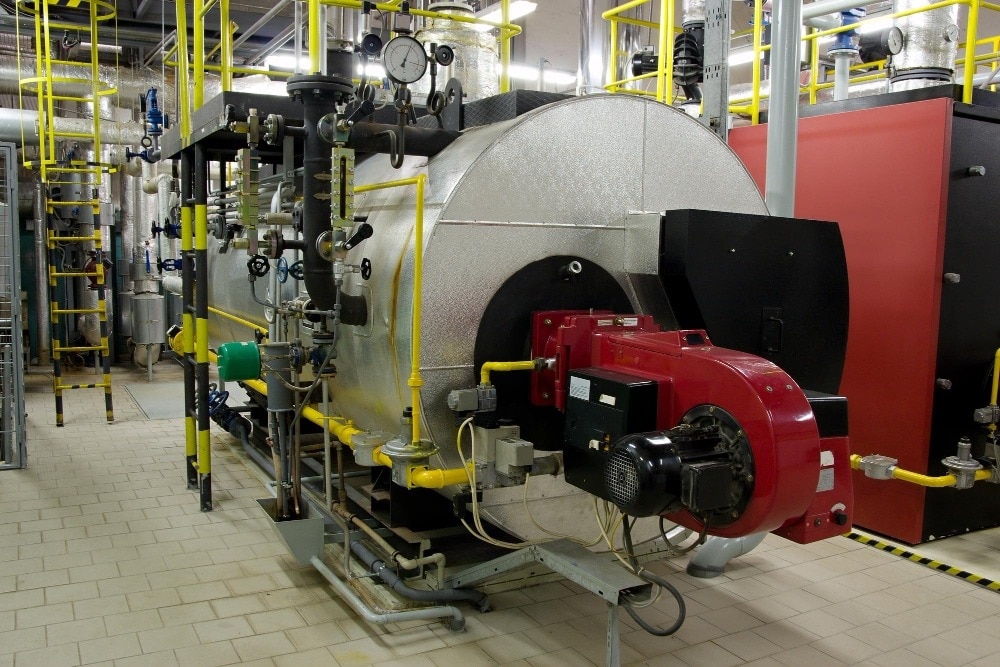
- Request the fuel-train drawing showing storage or day tank, heated line, pump, filters, heater, valves and pressure instruments.
- Require burner-connection dimensions, control sequence, ignition timing, flame-failure response, safety interlocks, changeover logic for dual fuel and a priced spare-parts list.
- Ask for guaranteed fuel consumption, stable operation at minimum fire, smoke or emissions limits, heat-up performance and noise, each tied to a stated fuel and test condition.
- Ask ECOTECH BURNERS, or any competing supplier, for a commissioning procedure and a signed completion record.
| Quotation element | Comparable evidence | Why it matters |
|---|---|---|
| Fuel and emissions | Test data using your heavy oil, firing range, excess air and stated sulphur, ash and water content | Reveals whether smoke, carbon monoxide and sulphur oxides claims fit your fuel; confirm conditions with the Gujarat Pollution Control Board |
| Capacity | Minimum and maximum input, turndown, oven back-pressure and measured operating points | Exposes an oversized burner that cycles or loses flame at seasonal low demand |
| Commissioning | Recorded oil temperature and pressure, flame signal, smoke result, combustion readings and interlock tests | Proves the installed system works, rather than merely passing a catalogue review |
| Guarantee | Written limits, duration and remedy for failed performance | Makes competing promises enforceable and comparable |
Related products
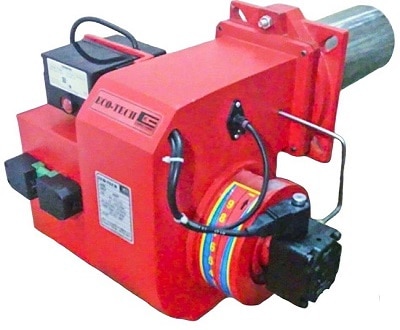 | Oil Burners Oil burners (20kw to 10500 kw )Available in versions for different types of oil burners A compact burner, easy to install. View product → |
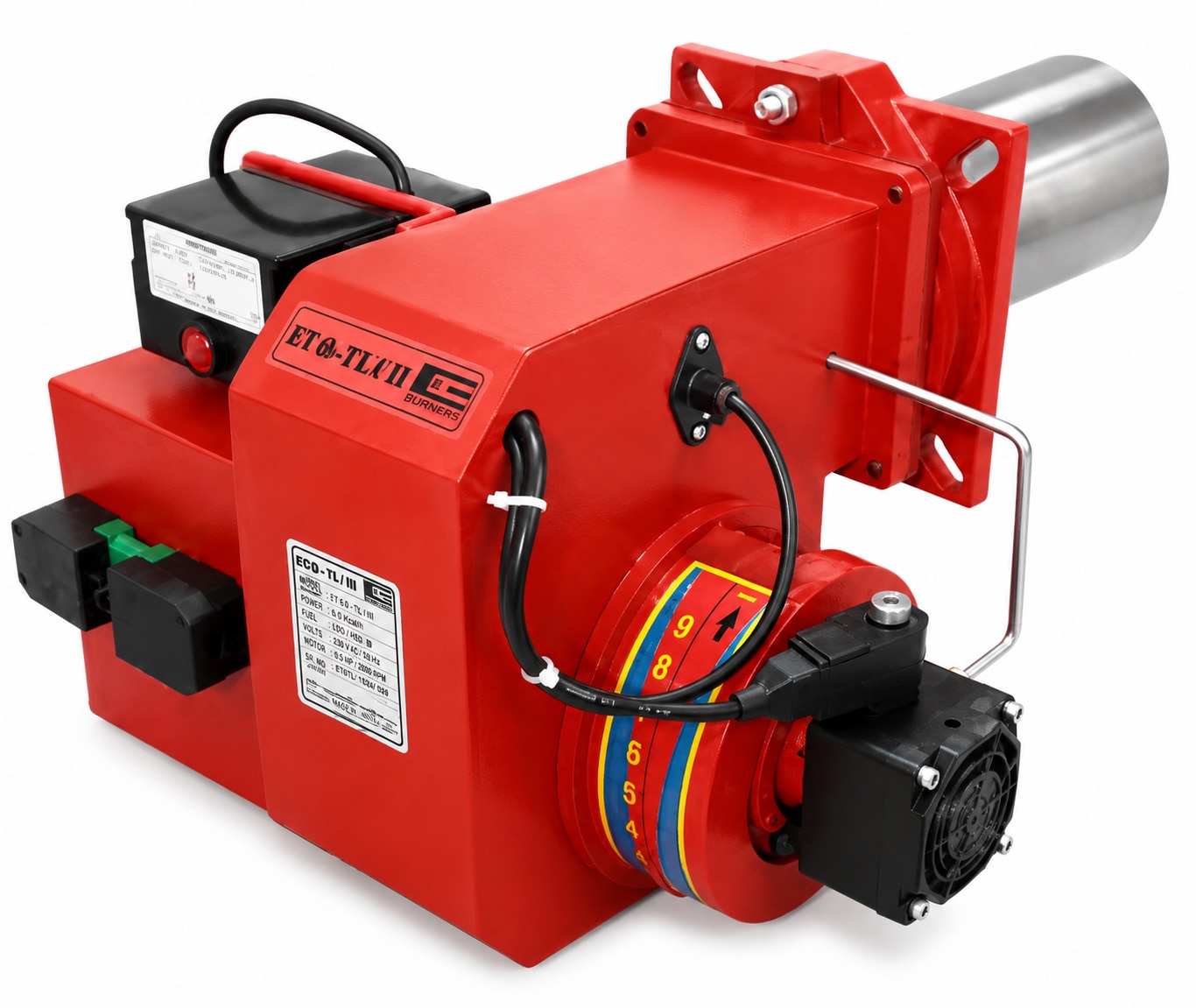 | Oil Burners Oil Burners Oil burners (20kw to 10500 kw )Available in versions for different types of oil burners A compact burner, easy to install. View product → |
Frequently asked questions
What must heavy oil undergo before entering a bakery burner?
Heavy oil needs controlled storage temperature, pumping, filtration and preheating so it reaches the burner at its approved viscosity. Confirm these values against the supplier’s fuel certificate.
How do you size an oil burner for seasonal bakery production?
Calculate peak oven heat demand, warm-up load and heat losses, then select a burner that modulates down without flame instability or frequent cycling.
Which fuel-system features improve heavy oil reliability in Surat?
Use heated storage and day tanks, insulated or traced lines, suitable strainers and filters, pressure monitoring, burner flame safeguards and accessible drain points.
When is heavy oil a poor choice for a bakery oven?
Choose another fuel when the site lacks space for heated storage, cannot manage ash and maintenance, requires clean combustion, or has low and highly variable annual demand.
What should you request from a heavy oil burner manufacturer?
Request the approved fuel specification, heat-input range, turndown ratio, utility schedule, emissions data, installation drawings, commissioning scope, spare-parts list and service response terms.
Keywords