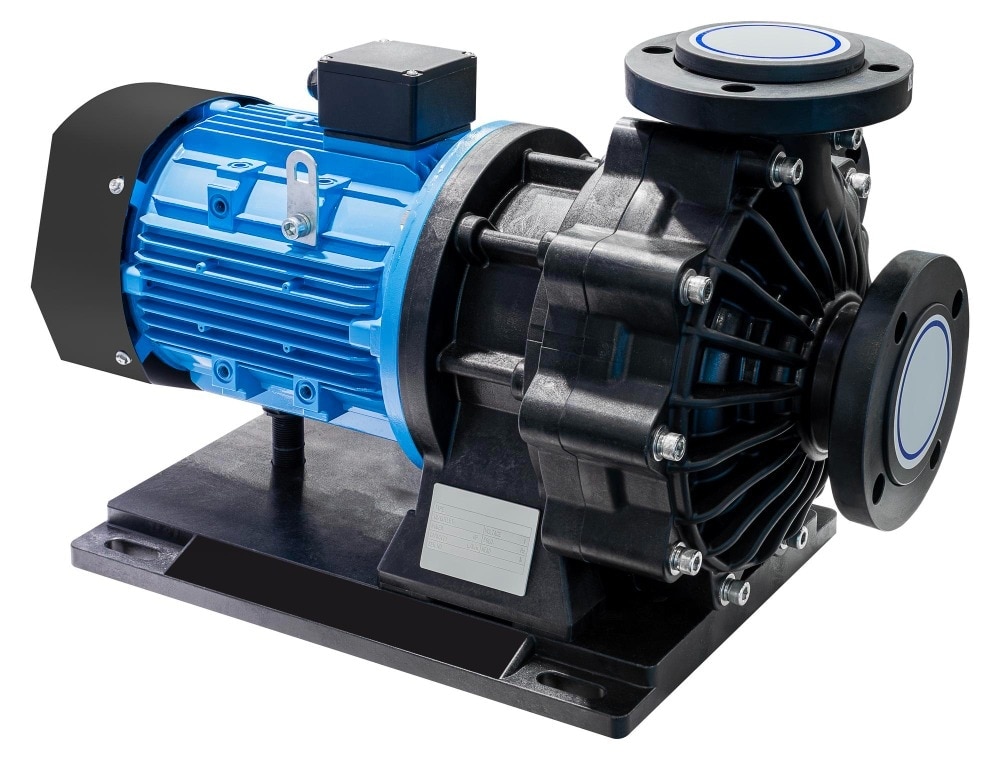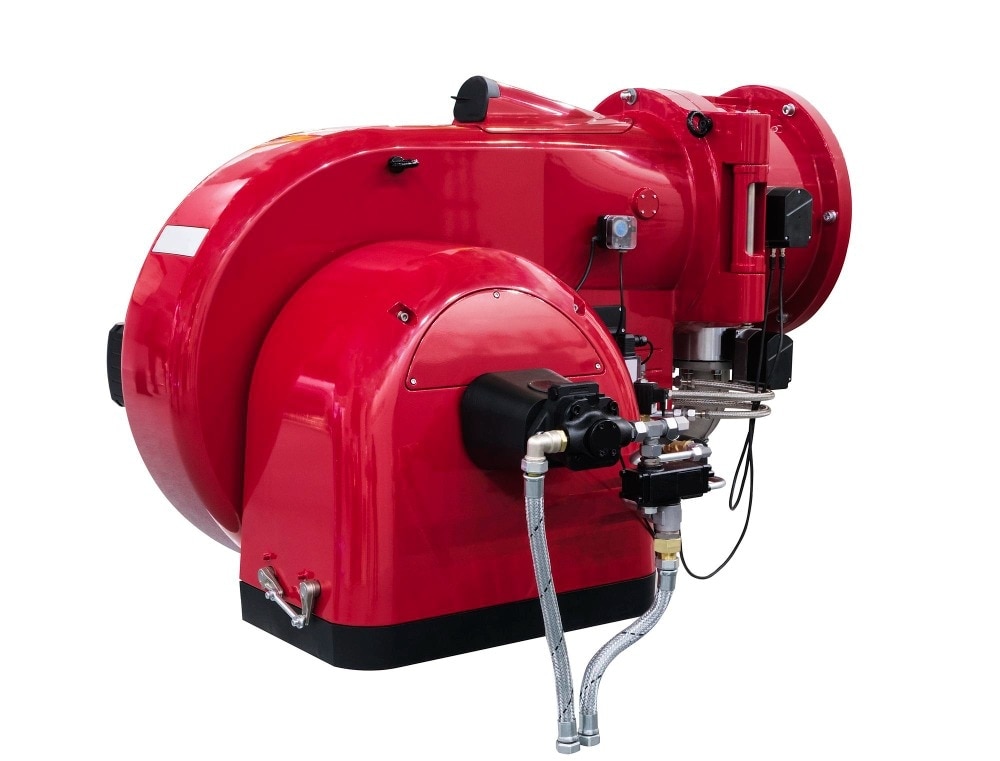
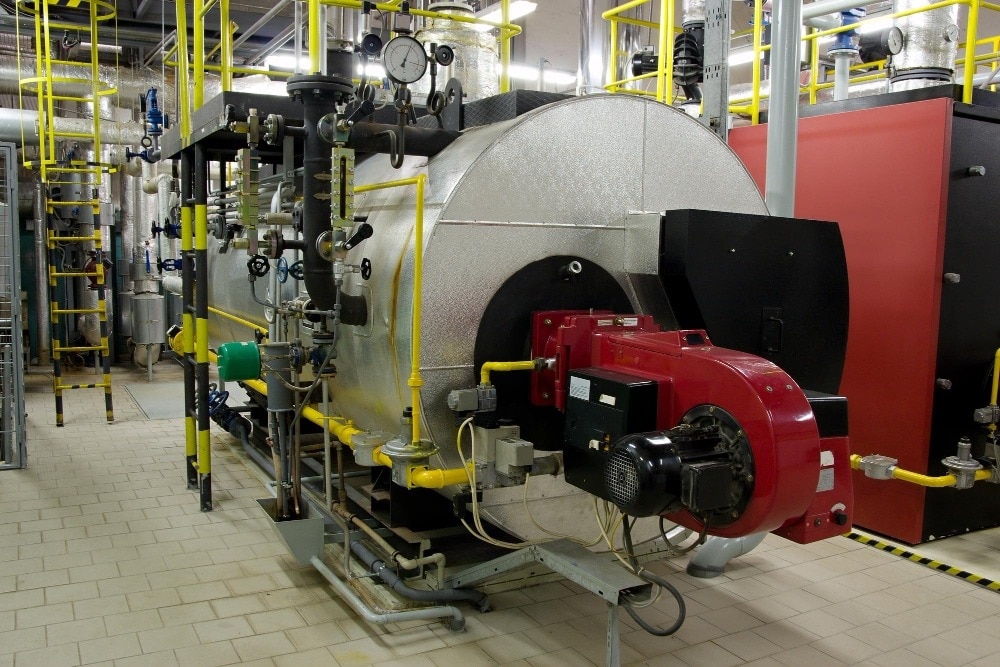
The difficult part is not identifying the vaporizer; it is understanding how liquid LPG becomes a controlled gas supply without bypassing pressure regulation, gas-train protection, combustion-air control, or burner safety logic. By the end, you will be able to trace the operating sequence, estimate vaporizer demand, identify the required equipment between the vessel and burner, and prepare a more useful specification for an installation in Surat.
Key takeaways
- Keep liquid LPG out of the burner gas train and burner nozzle.
- Size vaporizer capacity for peak LPG demand, not average consumption.
- Verify pressure controls, safety shutoff valves and flame supervision before firing.
- Request drawings, test records and commissioning support from the Surat supplier.
From liquid storage to the burner flame: the complete LPG flow path
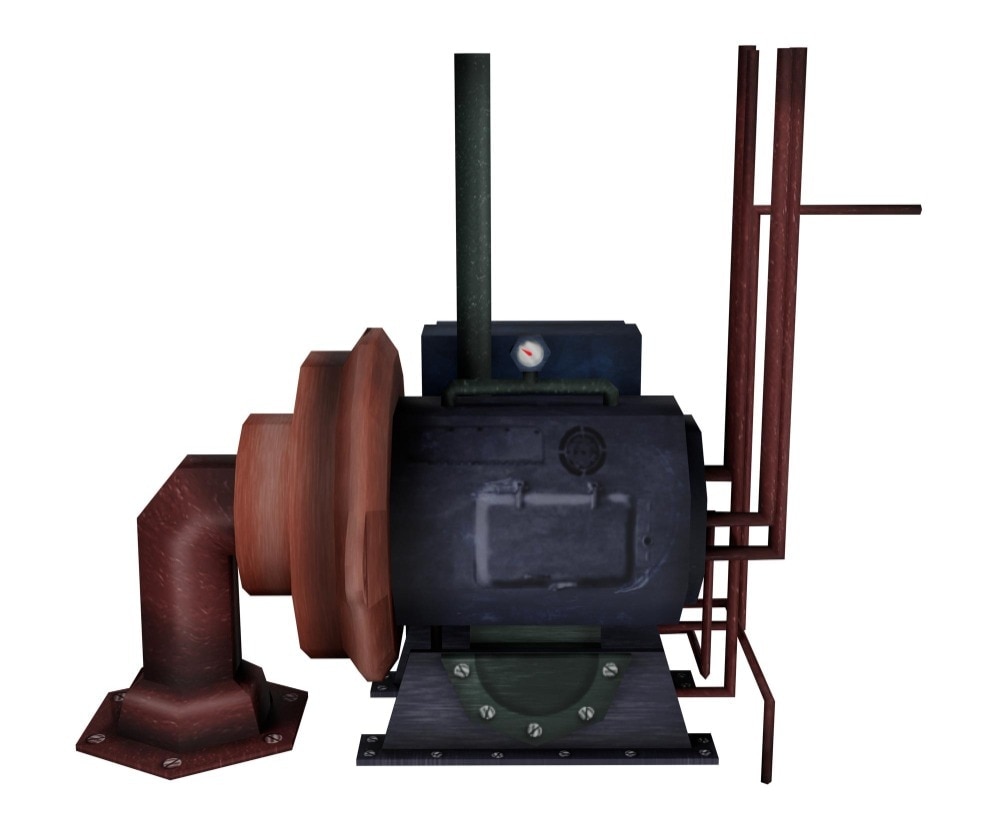
LPG leaves the storage vessel as a liquid, becomes a controlled vapour in the vaporizer, and reaches the burner as gas. The complete lpg vaporizer system process separates storage, vaporization, pressure control and combustion; the vaporizer does not burn LPG, and the burner does not vaporize liquid LPG.
- A liquid withdrawal line takes LPG from the vessel through an isolation valve, excess-flow protection and liquid-side filtration.
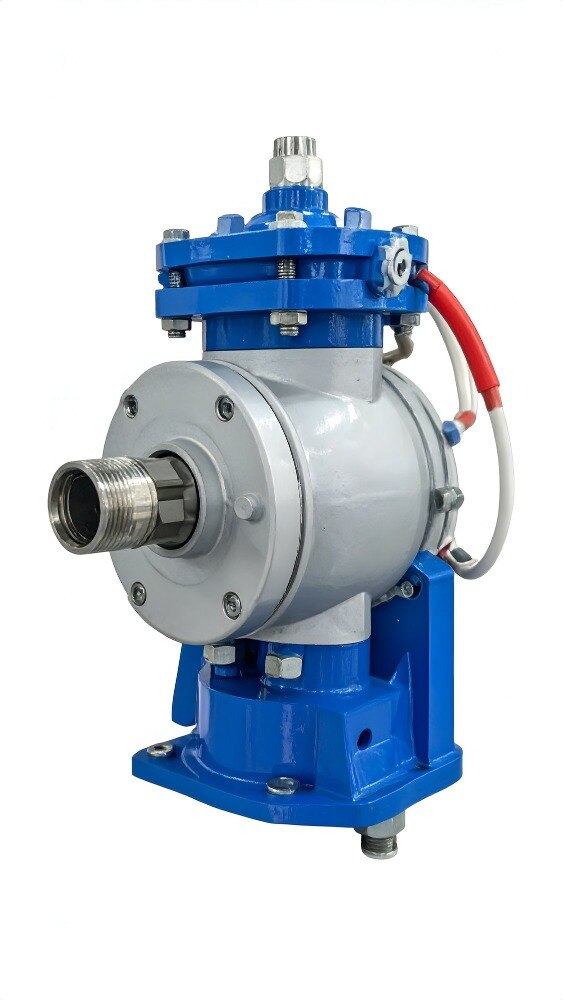
- The vaporizer passes LPG through a heat-transfer section, where electric elements, hot water or steam supply heat. An ambient-air vaporizer uses surrounding air instead.
- A controlled vapour outlet, separator and temperature protection keep unevaporated liquid from leaving the unit. Liquid carryover can damage regulators, upset the flame and create an immediate safety hazard.
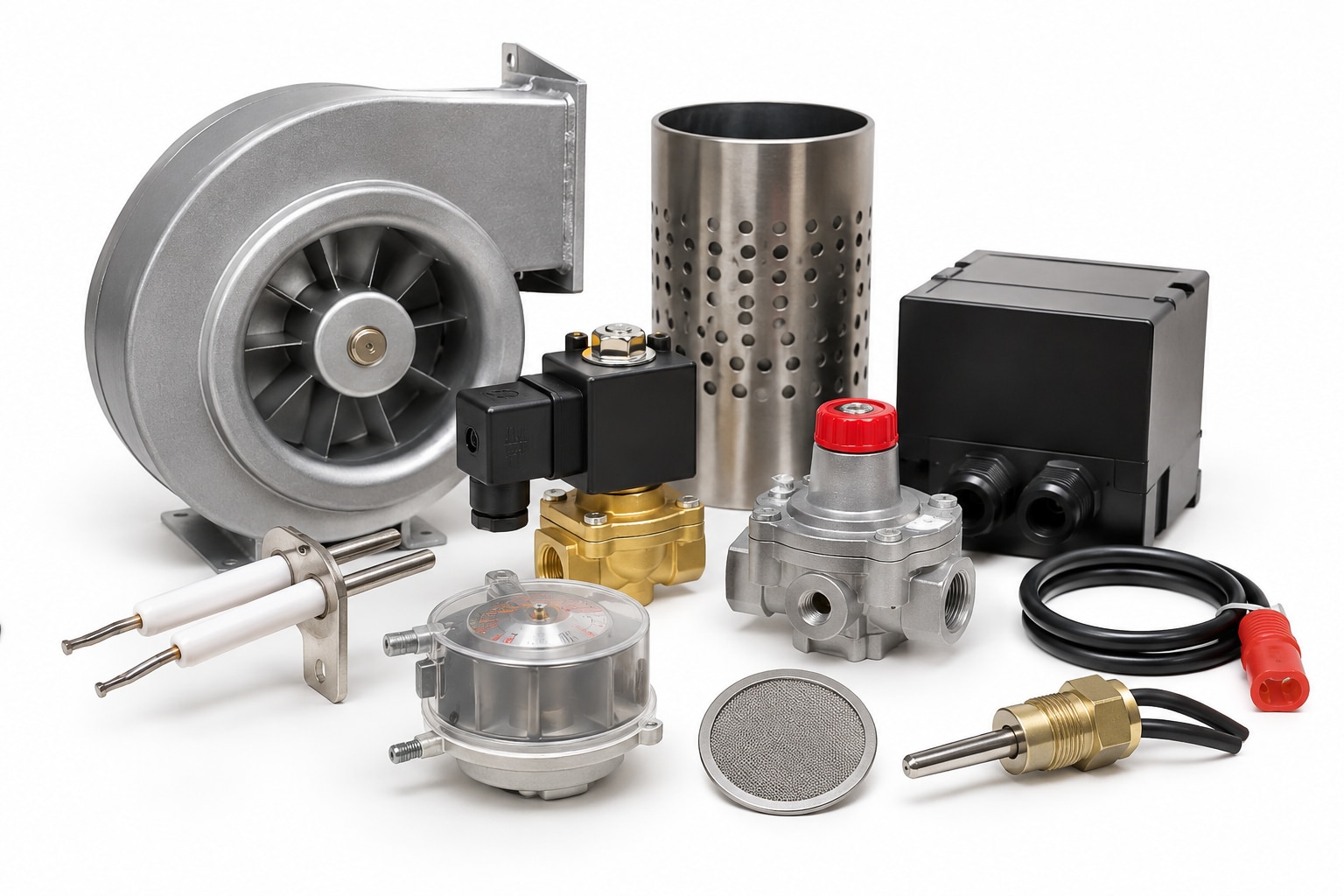
- Regulators reduce the vapour to the pressure required by the burner gas train. Filters remove debris before automatic shut-off valves, pressure switches and the burner inlet.
- The burner mixes LPG with combustion air, ignites the mixture at the nozzle and releases heat in the furnace, boiler or process chamber.
- Combustion products then travel through the flue or duct and leave through the exhaust stack.
A vessel’s pressure gauge does not show remaining LPG accurately while liquid is present; temperature and composition dominate pressure.
In Surat, warm weather does not guarantee sufficient natural vaporization during high demand, low liquid level or simultaneous firing, so the vaporizer must match the peak gas flow and the gas train must remain separate from combustion-air control.
How to size the vaporizer for real burner demand
Size the vaporizer for the maximum LPG flow that the burners will draw at the same time, not for the total nameplate capacity of every connected burner. A 500 kW burner operated at 60% firing rate does not create a 500 kW demand, but three burners starting together can briefly demand their combined full input.
1. Record the maximum simultaneous burner heat input in kW, operating hours, startup pattern and required firing range. Include pilot or ignition consumption only if it is supplied through the vaporizer.
2. Convert heat input to approximate LPG flow with this formula: LPG flow in kg/h = heat input in kW × 3.6 ÷ LPG heating value in MJ/kg. Using 46 MJ/kg, a 1,000 kW fuel input requires about 78 kg/h: 1,000 × 3.6 ÷ 46 = 78.3 kg/h.
If 1,000 kW describes useful heat output rather than fuel input, divide by burner or furnace efficiency before converting.
3. Confirm the LPG composition and heating value with the fuel supplier. Propane-rich and butane-rich LPG produce different flow and pressure behaviour, so do not size from a generic cylinder figure.
4. Give the supplier the minimum ambient temperature, storage-vessel liquid level, liquid withdrawal pressure, required vapour pressure, operating altitude and simultaneous load. Surat’s warm climate does not prevent pressure collapse or icing during high demand, low tank level or monsoon conditions.
5. Select a vaporizer whose rated continuous capacity exceeds the calculated peak flow and whose startup duty matches the production cycle. Check the rating at the stated inlet conditions; a nominal capacity at ideal conditions can fail during a cold start.
An LPG vaporizer industrial combustion system process in Surat therefore needs both a kg/h demand calculation and a condition-based capacity check. The burner still controls combustion air and firing; the vaporizer only supplies gas.
Heating, pressure regulation and prevention of liquid carryover
The vaporizer must turn liquid LPG into stable vapour before the gas reaches the pressure regulator and burner train. Heat passes through a heat exchanger wall; the LPG boils on the process side, while a temperature control maintains enough outlet temperature to prevent downstream condensation.
The heating source may be:
- Electric elements, controlled by thermostat and high-temperature cut-out
- Steam or hot water circulating through the exchanger
- Atmospheric heat, used only where capacity and ambient conditions support it
An outlet regulator then reduces fluctuating vapour pressure to the burner train’s specified inlet pressure. Size that regulator for the maximum kg/h flow and the burner’s full pressure range; an undersized unit causes pressure drop, while a failed regulator can overpressure the train.
Liquid carryover needs physical protection, not just a temperature setting. Provide a vapour separator or knockout section, demister where specified, correctly sloped piping, and a drain at the designated low point. Keep the outlet temperature above the condensation risk for the LPG composition, pipe length and ambient conditions.
A cold section can condense vapour after it has left the exchanger.
Install isolation and pressure-relief arrangements as the design requires, then use the gas train’s filter, shutoff valves and pressure switches as a separate control layer. Liquid entering an industrial combustion system in Surat can freeze a regulator, cause slugging and produce an unstable, excessively rich flame.
Warm weather does not remove this risk during high demand, low vessel level or monsoon conditions.
How the gas train and burner management system control firing
A call for heat does not open the LPG valve immediately. The burner management system first checks permissives: vaporizer ready, adequate liquid level or flow, acceptable outlet temperature, gas pressure within limits, combustion-air proving switch made, and no emergency-stop or flame-failure lockout.
The firing sequence then runs in order:
- Open the combustion-air damper and prove airflow.
- Complete the programmed furnace purge to remove combustible gas.
- Energise the ignition transformer and pilot or direct-ignition circuit.
- Open the automatic safety shutoff valves in the gas train.
- Prove flame through a UV, infrared or ionisation flame detector.
- Release modulation only after stable flame and pressure are confirmed.
The gas train normally includes a manual isolation valve, strainer or filter, regulator, high- and low-gas-pressure switches, two automatic safety shutoff valves, and a vent or relief arrangement where the design requires one. Flame failure closes the safety valves and initiates lockout; pressing reset must not restart firing without the full permissive and purge sequence.
| Control layer | Main protection | What happens on failure |
|---|---|---|
| Vaporizer | Temperature, level or flow, outlet-pressure controls | Stops or isolates LPG production |
| Gas train | Regulator, pressure switches, safety shutoff valves | Blocks gas at unsafe pressure |
| Burner management | Air proving, purge timer, ignition and flame detector | Closes fuel and locks out |
For dual-fuel burners, fuel-selection interlocks prevent both fuel paths opening together and require a fresh purge after changeover. In Surat, verify PESO approval requirements, Gas Cylinders Rules, SMPV rules where applicable, local fire-authority conditions, and hazardous-area certification before installation.
What to specify, verify and commission when choosing a Surat supplier
A request to an LPG vaporizer manufacturer in Surat must state more than “one vaporizer for a burner.” Give the supplier peak and minimum demand in kg/h or Nm³/h, LPG composition, liquid inlet pressure, required gas outlet pressure, ambient temperature range, burner turndown, heating medium, operating hours, electrical area classification and applicable approval documents.
- Confirm whether demand is continuous, intermittent or simultaneous across multiple burners.
- Specify storage-vessel connection details, liquid-line length, elevation and isolation arrangement.
- Require the pressure, temperature, capacity and relief-device ratings on the datasheet.
- Identify PESO requirements, the Gas Cylinders Rules, SMPV rules where applicable, local fire-authority conditions and hazardous-area certification.
- For dual-fuel equipment, require interlocked fuel selection, purge permissives and proof that both fuel valves cannot open unintentionally.
Commissioning must test the complete industrial combustion system in Surat, not just successful ignition.
| Test | What to verify | Failure it exposes |
|---|---|---|
| Leak test | Liquid line, vaporizer, regulator and joints hold test pressure | LPG escape |
| Gas-train tightness test | Shut-off valves and proving device pass the specified sequence | Internal valve leakage |
| Safety-trip test | Flame failure, high/low gas pressure and vaporizer high-temperature trips operate | Unsafe continued firing |
| Range test | Stable light-off and combustion at low, intermediate and maximum firing rates | Poor turndown or excess emissions |
| Fuel-change test | Purge, valve interlocks and air-fuel control work during switching | Simultaneous fuel admission |
ECOTECH BURNERS can use these results to match burner controls with vaporizer capacity rather than treating each item as a separate purchase. Record readings, trip setpoints, calibration certificates and relief-discharge routing in the handover file.
Related products
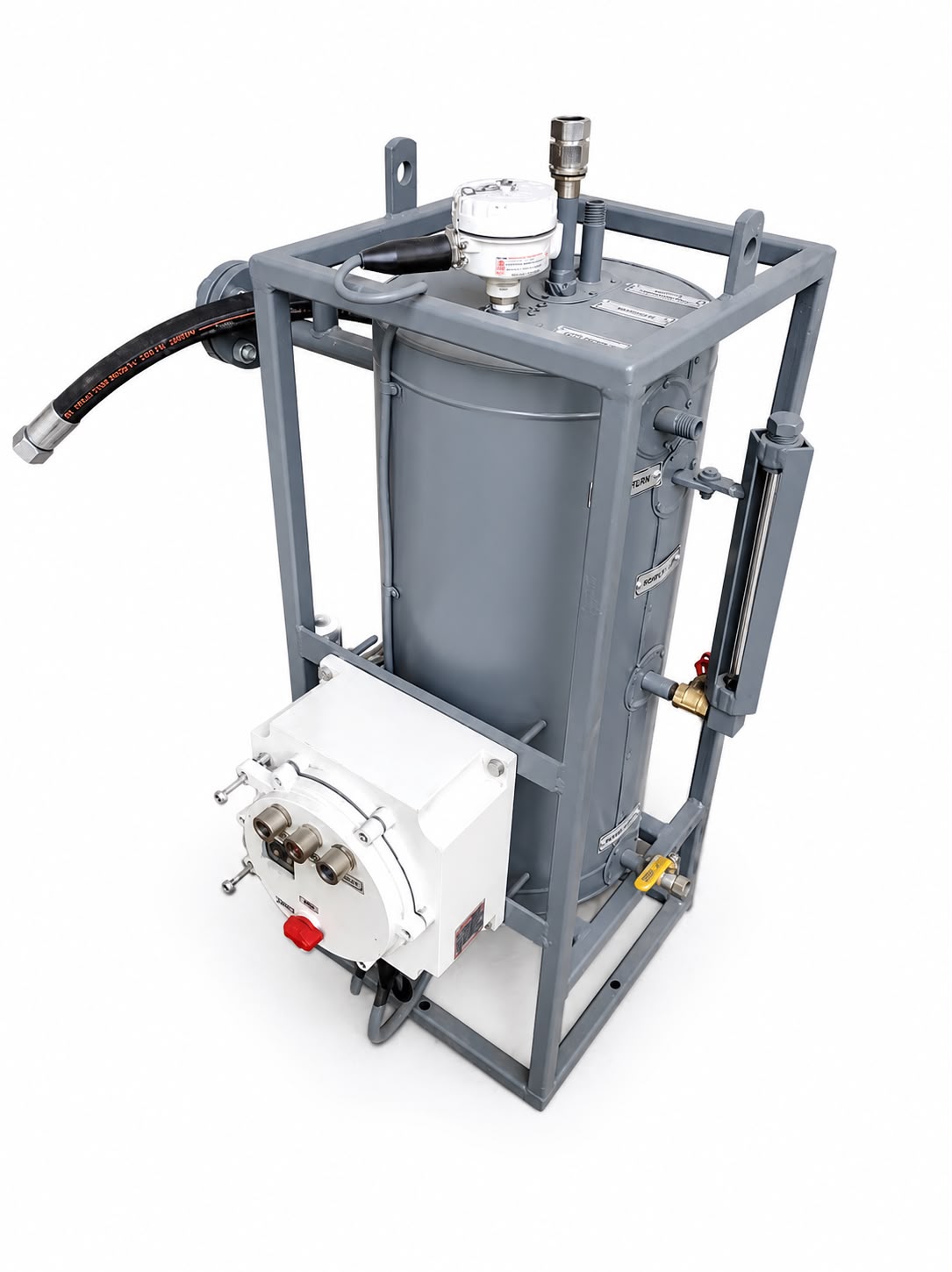 | LPG vaporizer Systems Reliable and Efficient LPG Vaporization Solutions for Industrial Applications We offer high-performance LPG Vaporizers designed to convert liquefied... View product → |
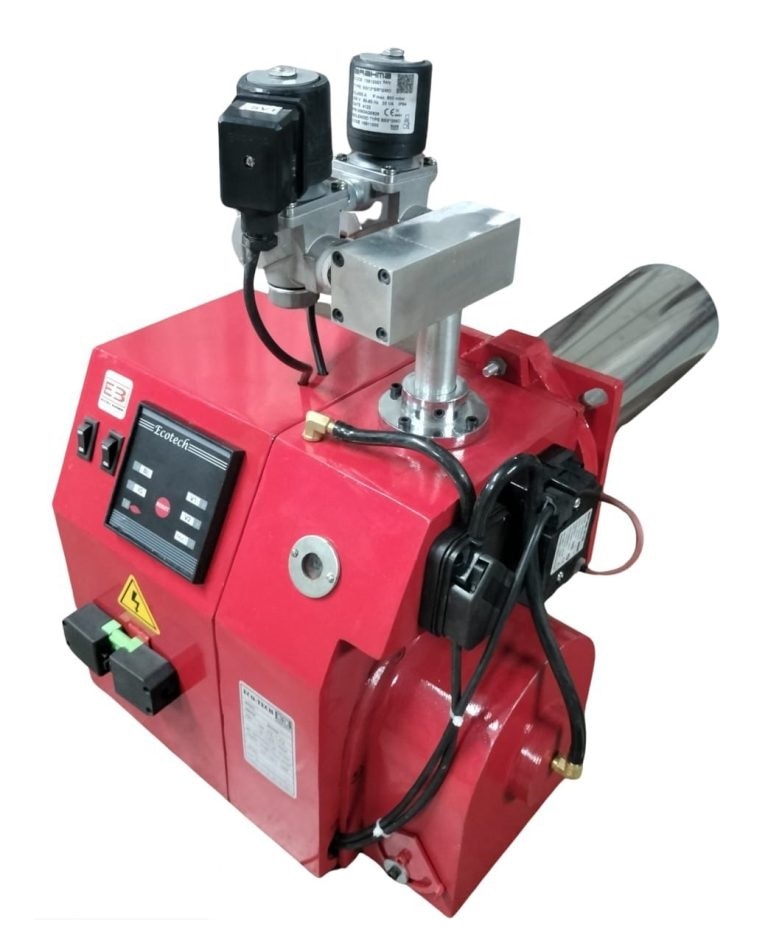 | Gas Burners Gas burner (20 kw to 10500 )Available in versions for different types of gas. A compact burner, easy to install. Designed for easy maintenance. View product → |
Frequently asked questions
How does LPG travel from storage to an industrial burner?
Liquid LPG leaves the storage vessel, enters the vaporizer, absorbs heat and becomes gas. The gas then passes through pressure regulation, filtration and the gas train before reaching the burner.
How do you size an LPG vaporizer for a burner system?
Calculate the burner’s maximum LPG consumption at full firing, then check operating pressure, inlet temperature, fuel composition, duty cycle and required standby capacity against the vaporizer rating.
How does an LPG vaporizer prevent liquid carryover?
Controlled heating, a correctly sized vaporization chamber, pressure regulation and downstream separation keep liquid LPG from travelling into the gas train and burner.
What should you verify when choosing an LPG vaporizer supplier in Surat?
Check the vaporizer duty rating, material and pressure specifications, safety devices, gas-train compatibility, drawings, inspection records, installation requirements and commissioning support.
Related product
 | Gas Burners ₹1100 Gas burner (20 kw to 10500 )Available in versions for different types of gas. A compact burner, easy to install. Designed for easy maintenance. View product → |
Keywords