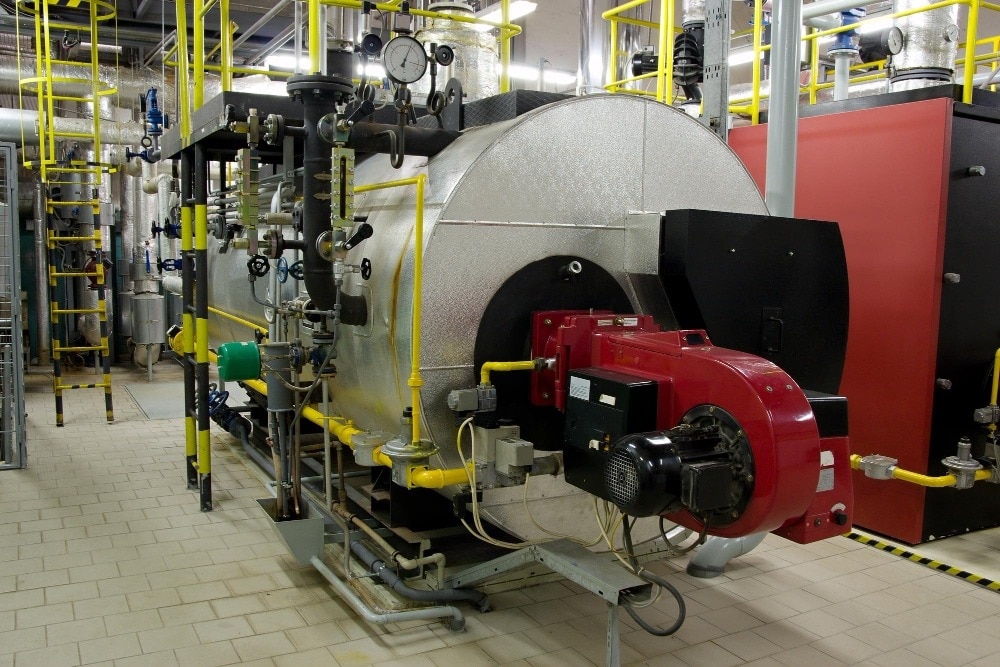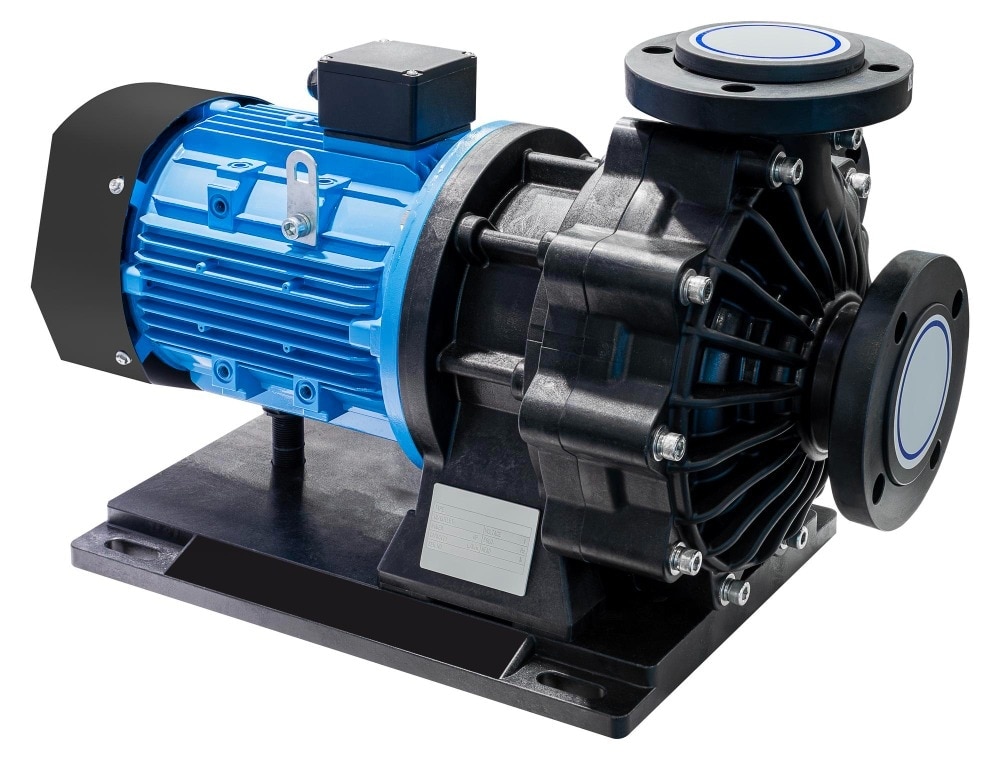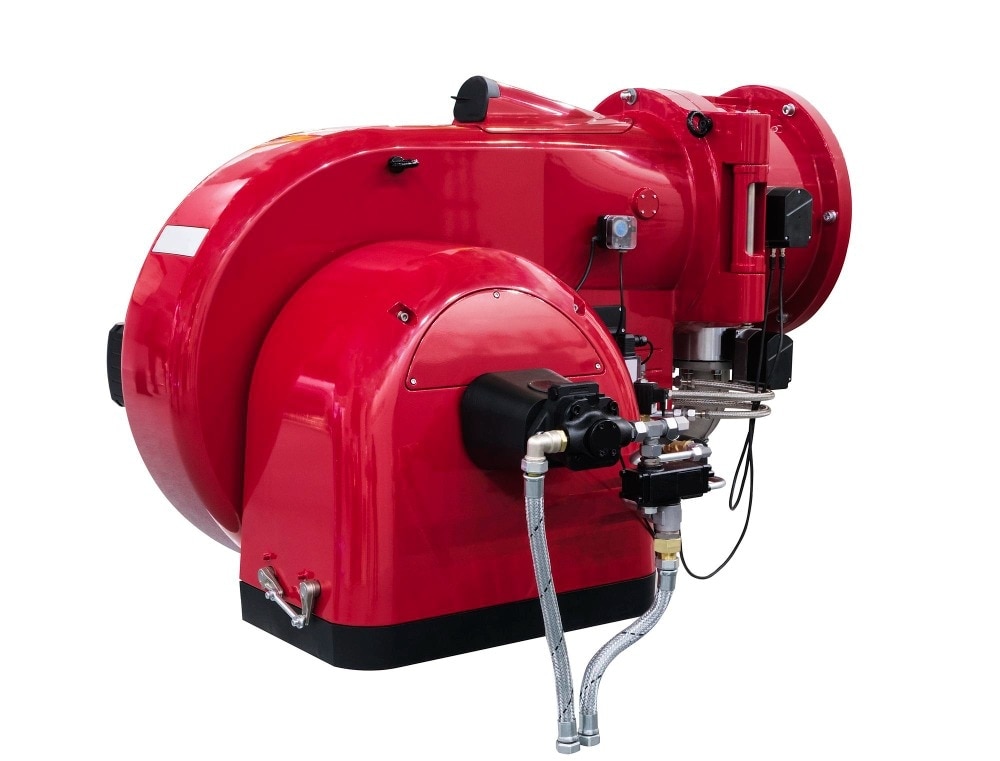
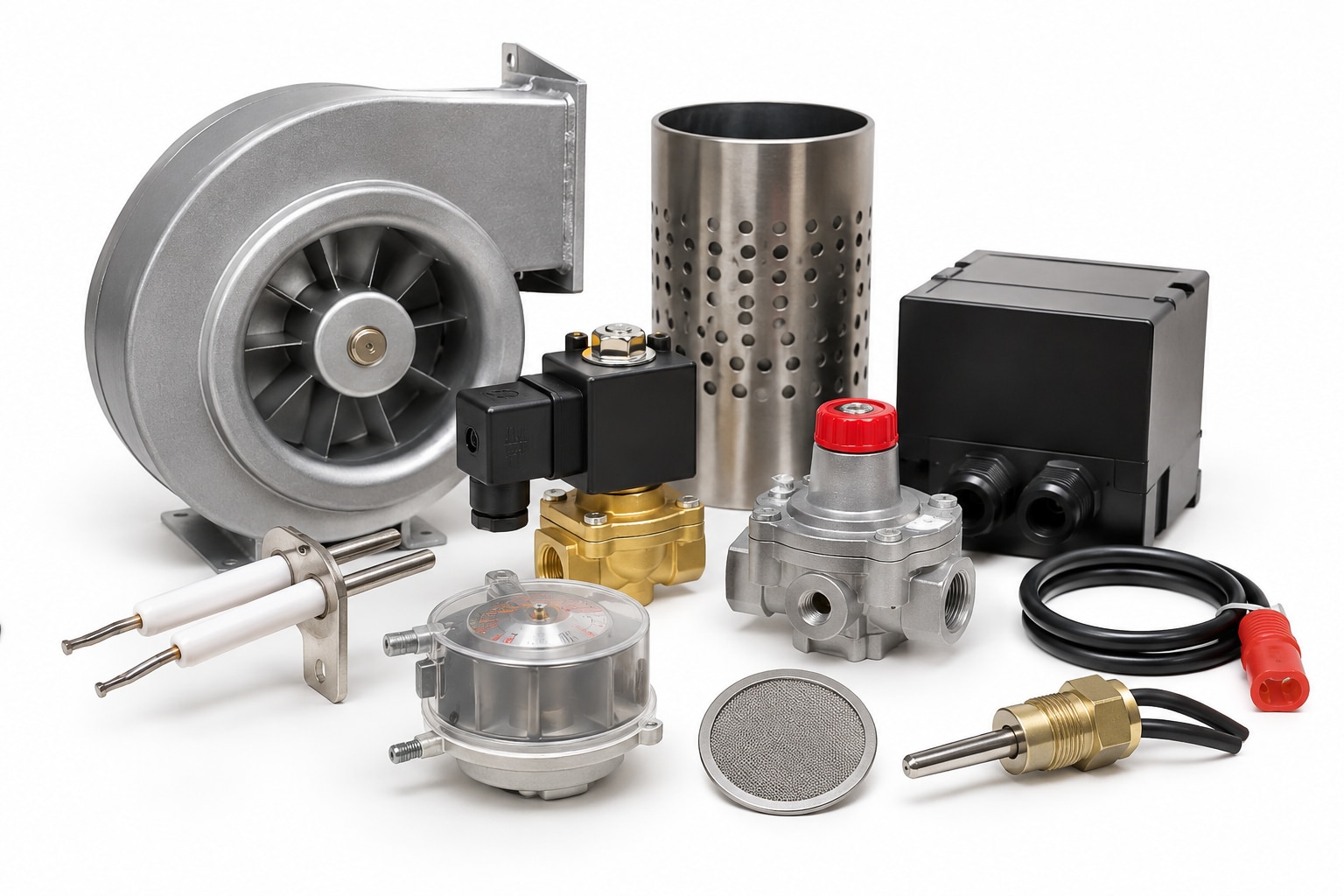
A burner repair rarely depends on one interchangeable component: the correct part is tied to fuel, firing rate, control logic, pressure, temperature and connection details. By the end, you will know which parts belong in a maintenance stock, how symptoms narrow the fault, and what information to send before ordering replacements.
Key takeaways
- Match every part to the burner model, serial number, fuel and firing rate.
- Keep electrodes, nozzles, flame scanners, gaskets and control fuses available.
- Trace faults through ignition, flame supervision, fuel pressure and combustion air.
- Request part numbers, compatibility evidence and lead times before ordering.
What belongs in a complete industrial burner spare-parts set?
A complete industrial burner spare-parts set covers the ignition, flame supervision, fuel delivery, air movement and sealing chain—not just a nozzle and electrode. Match every item to the burner model, serial number, fuel, firing rate and electrical supply; visual resemblance cannot confirm a safe substitute.
- Nozzles and gas injectors meter fuel. Carbon, poor spray, delayed ignition or an uneven flame points to nozzle wear or blockage. Oil nozzles need the specified flow rate and spray angle; gas injectors need the correct gas and burner model.
- Ignition electrodes create the spark. Cracked ceramic, arcing or repeated failure to light indicates damage or incorrect gap. Electrodes are fuel-system and burner-head specific, not universal consumables.
- Ignition transformers provide high voltage. No spark with correct electrode wiring indicates transformer or cable failure; verify its input voltage and output rating.
- Flame scanners and UV or infrared detectors confirm combustion. Nuisance lockouts or a flame signal that disappears after ignition point to a dirty, misaligned or incorrect detector.
- Flame programmers, burner-management modules, actuators and control boxes govern timing, air position and interlocks. A wrong revision can have different terminals, sequences or setpoints.
- Pumps, motors, filters, regulators, pressure switches, solenoid valves and gas-train shut-off valves control fuel pressure. Oil parts are not gas-compatible, and dual-fuel burners need separate, interlocked fuel circuits.
- Hoses, gaskets, seals and flexible connections prevent leaks. Cracking, oil weeping, gas odour or air ingress requires replacement with the correct pressure, temperature and fuel rating.
- LPG vaporizer parts—heaters or steam coils, thermostats, probes, level controls, relief devices and contactors—belong to the vaporizer model, not the burner’s ordinary stock.
Industrial burner parts availability varies sharply: common electrodes and gaskets are easier to source than obsolete programmers, custom nozzles, refractory blocks and model-specific scanners. Confirm revision, exact stock and replenishment time before a shutdown.
Which burner parts should you inspect, clean, test or replace on schedule?
Use the burner maker’s interval when it is shorter than this baseline. Record readings before and after adjustment; a trend often exposes a failing part before a shutdown.
| Interval | Parts | Action and replacement trigger |
|---|---|---|
| Each shift | Flame detector, hoses, visible gaskets and seals | Clean the scanner lens and inspect for fuel seepage, cracking or heat damage. Replace a hose, O-ring or gasket at the first leak, blister or hardening. |
| Weekly | Nozzle, electrode assembly, filter and gas-train components | Clean the nozzle and filter, then check spray pattern, electrode gap and electrode position against the burner manual. Replace the nozzle or electrode assembly when the orifice is worn, the insulator is cracked or the gap cannot be held. |
| Monthly | Ignition transformer, flame safeguard, motor bearings and pump | Test transformer output with an approved tester, prove flame-detector response and check motor-bearing noise and temperature. Verify oil-pump pressure and atomising pressure against the nameplate settings; investigate pulsation before replacing parts. |
| Quarterly | Gas valves, regulator, pressure switches and flexible connections | Check minimum and maximum gas pressure, regulator lock-up, valve leakage and switch operation. Replace a valve, regulator, switch or hose that fails its test. |
| Annual shutdown | Burner block, tile, quarl, flame tube, sight tube and refractory seals | Remove deposits and inspect for cracks, erosion and distorted flame openings. Replace damaged high-temperature parts because altered flame geometry can overheat the furnace wall. |
Keep burner parts for maintenance matched to fuel, temperature, dimensions and control-system revision; a new electrode or transformer with the wrong specification can create hard starting and nuisance lockouts.
How do you trace ignition, flame, pressure and air faults?
Start with the sequence, not the suspected part: prove the safety permissives, selected fuel path, supply pressure and air proving before changing settings. Isolate fuel and electrical power before opening a gas train, oil circuit or control panel.
1. For failure to ignite, check the control sequence, fuel-valve opening, nozzle or gas-injector condition, electrode gap and position, then measure ignition-transformer output. A new electrode still fails when its insulation, alignment or gap is wrong.
2. For hard starting or intermittent ignition, compare the electrode dimensions and nozzle position with the burner specification. Treat a weak transformer, fouled nozzle or damaged cable as a component fault; treat gap, alignment and ignition timing as adjustment faults.
3. For flame failure or nuisance lockouts, check flame-detector cleanliness, sighting, signal strength, programmer sequence and flame stability. Test flame establishment, signal loss and safe shut-down rather than confirming only that the burner runs.
4. For low gas pressure, check the filter, regulator lock-up, minimum and maximum pressure, pressure-switch operation and automatic shut-off valves. For low atomising pressure, inspect the pump, compressor, steam path, regulator, hose and blocked nozzle.
5. For pulsation or inadequate combustion air, check the fan, motor rotation, damper or actuator, air-proving switch, burner head and furnace draft before altering fuel input. Incorrect air adjustment can hide a failing motor or blocked passage.
6. For fuel leakage, stop operation and inspect oil hoses, gas-valve joints, gaskets, seals and valve shut-off tightness. On dual-fuel burners, verify changeover interlocks prevent both fuels entering together.
After any replacement, record fuel pressure, atomising pressure, air setting, flame appearance, furnace draft, oxygen and carbon-monoxide readings. A burner that lights can still be over-fired or producing dangerous CO.
What must you check before ordering a burner repair part?
Check the identification before you compare prices. Record the burner nameplate’s make, model, serial number, fuel, firing rate and electrical supply, then photograph the control-box label, wiring terminals and revision code. Markings on the removed part—nozzle stamp, valve code, coil voltage, pressure-switch range or actuator number—can reveal a revision that looks identical externally.
For burner repair parts in surat, verify these details against the equipment record:
- Oil nozzle flow at the stated pump pressure, spray angle, spray pattern and fuel grade. The same nominal nozzle size with a different pattern can move the flame, damage refractory and alter furnace temperatures.
- Gas family, inlet and operating pressure, gas-train capacity, valve closing time, connection size and safety function. A valve that fits the pipe can still have the wrong pressure range.
- Motor, transformer, coil, scanner and control-box voltage, frequency, current, connector pinout and timing sequence.
- Pressure-switch and regulator setpoints, plus every thread, flange, gasket size and hose rating.
- Temperature rating and the required safety approval or marking shown on the original component and equipment documentation.
Check the choice against the application before ordering:
| Check | Like-for-like replacement | Substitute risk |
|---|---|---|
| Nozzle | Same flow, angle, pattern and fuel | Flame impingement or uneven heating |
| Control component | Same model, revision and sequence | Lockouts or unsafe timing |
| Gas valve | Same pressure, capacity and closing function | Leakage or failed shut-off |
A dual-fuel burner needs separate oil and gas parts with changeover interlocks. LPG vaporizers also require their own model, LPG duty, temperature controls and relief-device data. After replacement, verify pressure, air, draft, flame and flue-gas oxygen and carbon monoxide.
How should you evaluate a spare-parts supplier before a shutdown?
A local address does not prove shutdown readiness. A search for an industrial burner spare parts supplier repair and maintenance in Surat should produce evidence of stock, technical support and commissioning—not just a catalogue or same-day delivery claim.
1. Ask for the exact part number, burner model, serial-number compatibility, current stock quantity and revision status. Confirm replenishment dates for flame programmers, UV scanners, refractory blocks, custom nozzles and obsolete modules before fixing the shutdown date.
2. Check that the industrial burner spare parts supplier in Surat supports your specific burner and control panel, including connector pinouts, timing sequences, voltage, pressure-switch range and fuel duty. Visual similarity is not proof of compatibility.
3. Require installation, fuel-line leak testing, electrical checks and verification of safety interlocks after fitting. Ask whether the technician will test flame-failure response, purge sequence, low-air and low-fuel-pressure trips.
4. Require combustion verification after repair: fuel and atomising pressure, combustion-air setting, furnace draft, flame appearance, oxygen and carbon-monoxide readings. Ignition alone does not prove safe firing; a poorly adjusted burner can over-fire or produce dangerous CO.
5. Obtain a job sheet listing fitted parts, revisions, test results, setpoints, leak-test status and recommended follow-up. ECOTECH BURNERS can be assessed on this complete repair chain, not merely on whether it can supply a component locally.
Related product
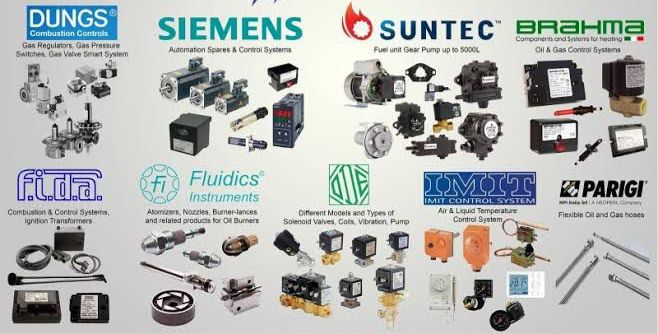 | spare part's Our Burner Spare Parts Range Burner Nozzle Ignition Electrode Ignition Electrode Ignition Transformer Burner Control Box Solenoid Valve Gas Valve Air... View product → |
Frequently asked questions
What belongs in a complete industrial burner spare-parts set?
Include ignition electrodes and transformers, flame scanners, nozzles, filters, solenoid valves, regulators, gaskets, seals, control fuses and air-side components matched to the burner.
Which burner parts should you inspect, clean, test or replace on schedule?
Inspect electrodes, scanners, nozzles, filters, valves, gaskets, fans and dampers. Clean scanner lenses and air passages, test ignition and flame signals, and replace worn or damaged parts.
How do you trace ignition, flame, pressure and air faults?
Check the fault sequence: electrical supply and ignition first, then flame signal, fuel pressure and delivery, followed by fan operation, air pressure and damper position.
What must you check before ordering a burner repair part?
Record the burner make, model, serial number, fuel, firing rate, supply voltage, original part number, dimensions and connection details before accepting a substitute.
How should you evaluate a spare-parts supplier before a shutdown?
Confirm industrial burner parts availability, documented compatibility, stock or lead time, test records, technical support, return terms and delivery arrangements for your shutdown date.
Keywords