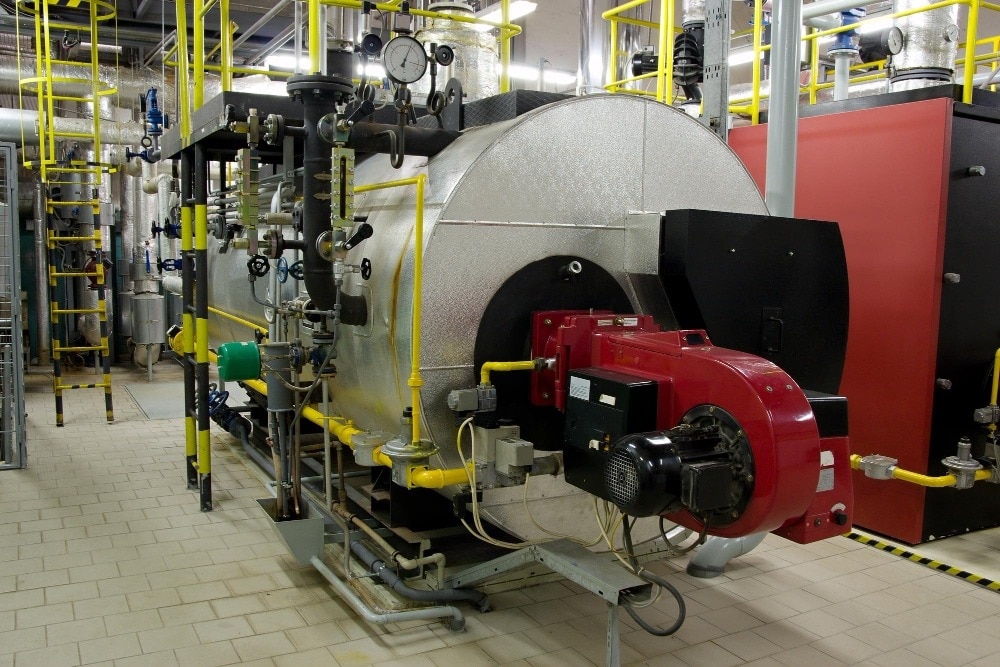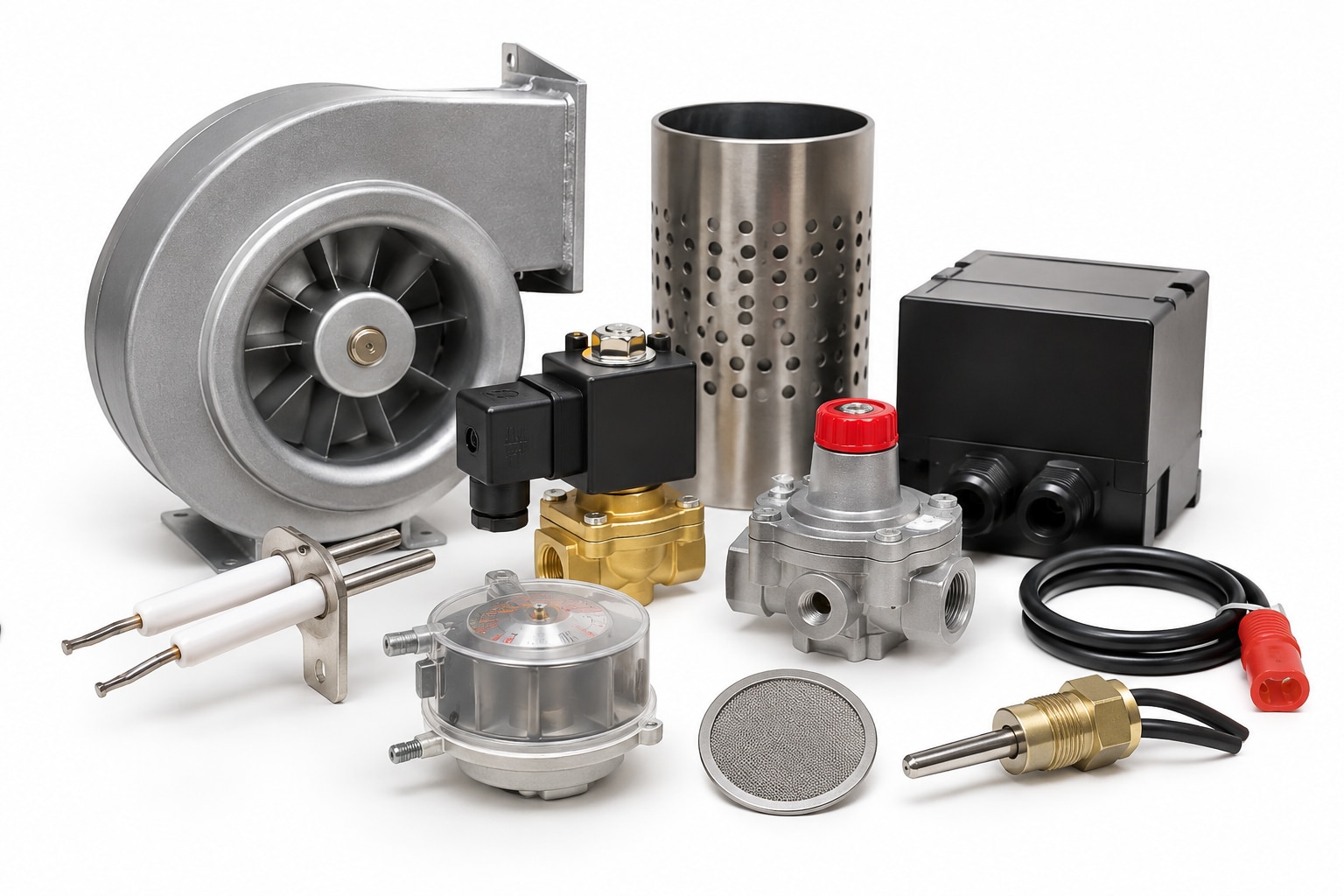
A hotel boiler can appear to have a burner problem when the real loss comes from scale, steam leakage, poor insulation, unstable fuel pressure, or excessive combustion air. By tracing measured readings from the fuel train and fan to the stack, heat exchanger, water circuit and distribution system, you can identify the actual fault and decide whether repair, retuning or replacement is justified.
Key takeaways
- Compare flue-gas temperature, oxygen, pressure, and flame readings.
- Check combustion air, gas pressure, burner alignment, and heat-transfer surfaces.
- Separate burner faults from undersized boilers, steam leaks, and distribution losses.
- Require commissioning records, safety testing, spare-parts support, and service response terms.
What “loses heat” means in a hospitality boiler
Operators suspect dual block burner performance when the boiler shows these symptoms:
- High stack temperature
- Low hot-water or steam output
- Slow recovery after peak kitchen, laundry or guest-room demand
- Frequent burner cycling
- Heat escaping through the boiler casing, headers or pipework
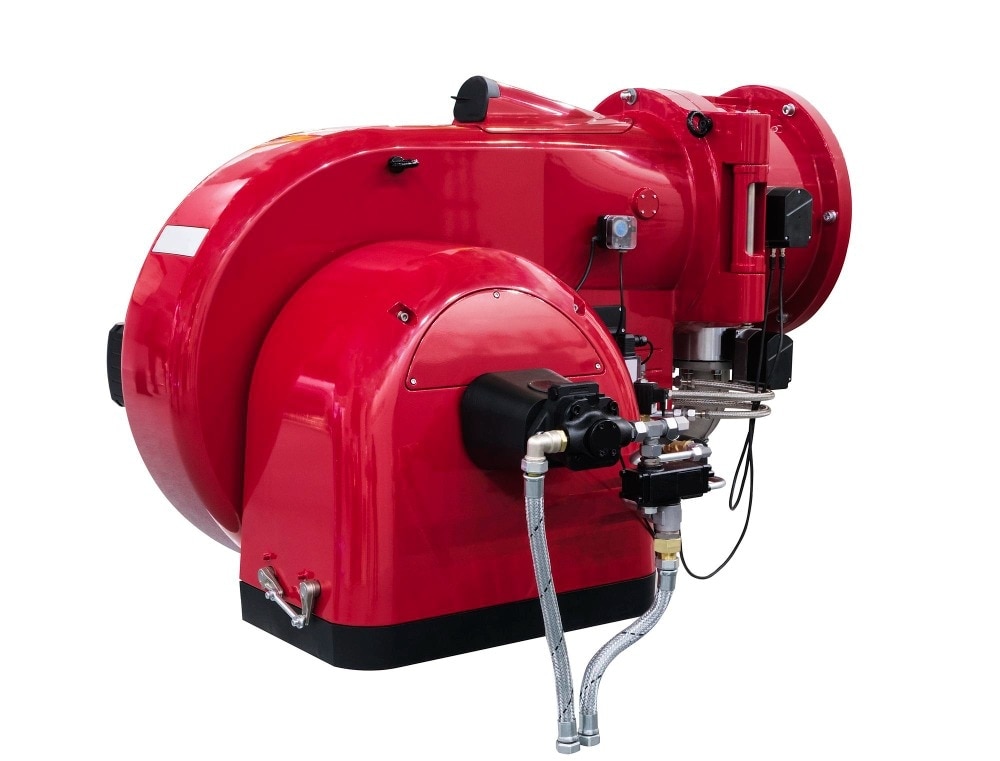
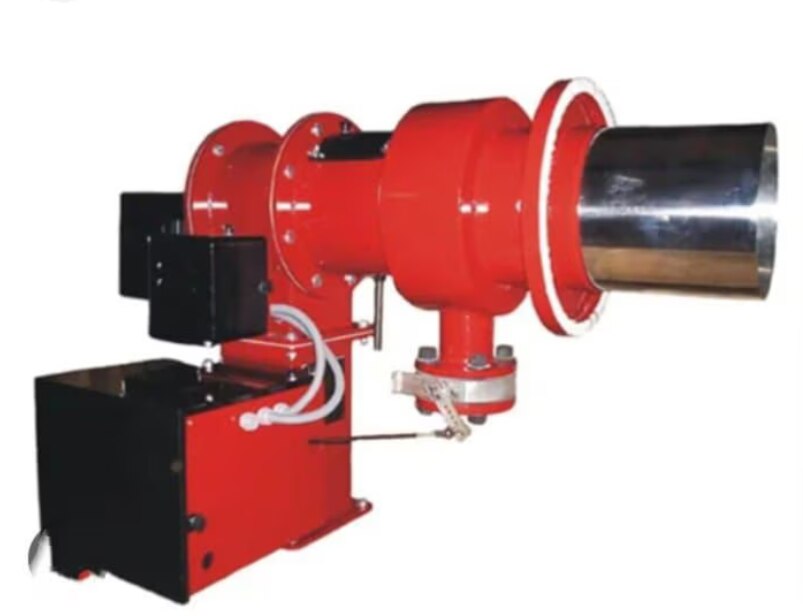
A dual-block burner does not inherently lose more heat than a monobloc burner. Its separate fan and burner assemblies can improve service access and combustion adjustment, but these installation faults can increase excess air and stack loss:
- Undersized fan
- Excessive duct pressure loss
- Incorrect damper position
- Poor burner-head adjustment
“Dual block burner problems in Surat” therefore describe an installation, control or operating fault, not a built-in limitation of the burner type.
Separate combustion loss from other heat losses. Check these areas before blaming the burner:
- Scale on waterside surfaces
- Fouled fireside passages or blocked turbulators
- Damaged refractory or poor baffling
- Inadequate boiler-water circulation
- Uninsulated headers and hot-water piping
- Leaking steam traps
- Hot condensate discharged to drain
- Continuous blowdown
- Incorrectly sized pumps, valves or distribution equipment
High stack temperature proves that heat remains in the flue gas instead of reaching the boiler water; it does not prove burner inefficiency. Record combustion readings alongside boiler output, cycling and distribution temperatures before deciding where the loss occurs.
The readings that locate a burner-side fault
A pressure drop at the burner train can explain a failed ignition before any efficiency test begins. Record readings at no-flow, ignition, low-fire and high-fire so you can locate the fault rather than tune by appearance.
- Measure gas pressure at the burner train in all four conditions; record oil pressure too when firing oil. A regulator can hold static pressure yet droop during ignition or maximum firing.
- Measure combustion-air pressure, fan inlet restriction, damper position and flue draft. Check boiler-room pressure while kitchen hoods, laundry extract fans and ventilation systems operate.
- Record flue-gas oxygen, carbon monoxide, stack temperature, flame signal, boiler outlet temperature and burner run time across the complete firing range.
- Inspect blocked filters, dirty diffusers or burner heads, fan-and-damper misalignment, collapsed flexible ducts, sharp elbows, undersized air ducts and excessive burner-throat distance. These restrictions move the fan away from its design point.
High-fire tuning can miss low-fire carbon monoxide, flame lift, smoke and unstable ignition. Acceptable oxygen alone does not prove safe combustion. Excess air carries nitrogen and unused oxygen up the stack; insufficient air produces unsafe carbon monoxide and flame instability.
Set air from the manufacturer’s combustion curve and measured O2 and CO, not a fixed damper position. This sequence exposes industrial burner problems in Surat and provides evidence for judging dual block burner performance under actual operating conditions.
Why Surat operating conditions change the result
Hot, humid Surat air delivers less oxygen at the same indicated fan volume, so the burner may run with excessive air deficiency or reduced firing capacity. Dirty filters, hot ventilation-room air and restricted intake ducts intensify the effect.
These conditions explain many dual block burner problems in Surat, not a fault in the burner type itself.
1. Inspect the air path after monsoon weather. Moisture can load filters, affect electrical panels and ignition equipment, and distort combustion readings. Dust can foul the fan, diffuser and burner head. Voltage fluctuation can also alter fan speed, actuator position and control response.
2. Record fuel pressure at the burner train during ignition, low fire and maximum firing. A regulator sized for static pressure can still cause dynamic pressure droop, producing flame instability, nuisance trips or derating.
3. For LPG, check vaporizer capacity, liquid-line size, pressure drop and simultaneous hotel demand before blaming the burner. Inadequate vaporization can reduce firing even when the burner is clean and correctly adjusted.
4. Treat each dual-fuel option separately. Natural gas, LPG and oil need their own air-fuel curve, ignition settings, minimum-fire limit, flame-monitoring response and interlock tests. A natural-gas setting does not validate LPG or oil operation.
5. Include water quality in the investigation. Leaks, excessive blowdown or poor condensate recovery increase makeup water; scale then insulates waterside surfaces and raises stack temperature. These checks often expose industrial burner problems in Surat that are actually boiler-side losses.
When the burner fires but the hotel still lacks heat
A normal flame does not prove that heat reaches the rooms. Compare boiler outlet temperature or steam pressure with firing rate, burner run time, and hot-water or steam demand.
High stack temperature with normal combustion readings points to fouled fireside surfaces, blocked turbulators, damaged refractory, poor baffling, waterside scale, or inadequate circulation—not automatically to a burner fault.
- If guest rooms receive low delivery while O2, CO, flame signal, and fuel pressure are normal, check undersized pumps, closed valves, poor balancing, uninsulated hot-water pipework, leaking steam traps, failed condensate return, and excessive continuous blowdown.
- Check controls when demand falls below the burner’s minimum stable firing rate. Repeated purge-and-restart cycles discharge heated furnace air and repeat ignition losses.
- Two or more smaller boilers can outperform one oversized boiler at low hotel load because sequencing reduces cycling.
- Treat dual block burner performance as an installation and operating question: verify air delivery, boiler heat transfer, and distribution before replacing the burner.
| Replacement choice | What to compare | Why it matters |
|---|---|---|
| Monobloc burner | Compact footprint, single fan arrangement, noise, service access | A simpler package can still be difficult to maintain or poorly matched to the boiler |
| Dual block burner | Separate fan, service access, turndown, combustion adjustment, noise | Better access or control does not guarantee higher efficiency |
| Either retrofit | Spare-parts availability, existing air and flue connections | Duct changes, pressure loss, or connection mismatch can erase expected gains |
A monobloc is not automatically more efficient, and a dual block burner for problems in hospitality boilers in Surat is not automatically the right retrofit.
What to require before choosing a burner supplier
Require a written commissioning record before accepting a quotation. A percentage efficiency claim cannot reveal why dual block burner problems in hospitality boilers in Surat recur. The record must identify the test conditions, instruments and readings at each firing rate.
- Fuel-train pressure at no-flow, ignition, low fire and high fire
- Fan or combustion-air pressure, damper position and flue draft
- O2, CO and stack temperature at defined firing rates
- Flame-signal values, flame-failure response and every safety-interlock result
- Tested turndown limit and minimum stable fire for each fuel
- LPG vaporizer condition, boiler load, room-ventilation status and instrument calibration details
Compare the supplier’s evidence before choosing:
| Evidence | Accept | Reject |
|---|---|---|
| Operating range | Matches the hotel’s hourly load profile | Covers only the boiler’s maximum rating |
| Fault responsibility | Names who will correct duct losses, unstable regulators, control drift, scale, refractory damage and insulation defects | Treats every defect as outside the burner package |
| Fuel commissioning | Provides separate air-fuel curves and settings for natural gas, LPG and oil | Uses one setting for every fuel |
ECOTECH BURNERS MFG CO belongs in the comparison when its commissioning scope, fuel-specific settings and after-sales response are written into the order. Choose the supplier that leaves repeatable readings and a fault-tracing record, not a new burner installed on old assumptions.
Related products
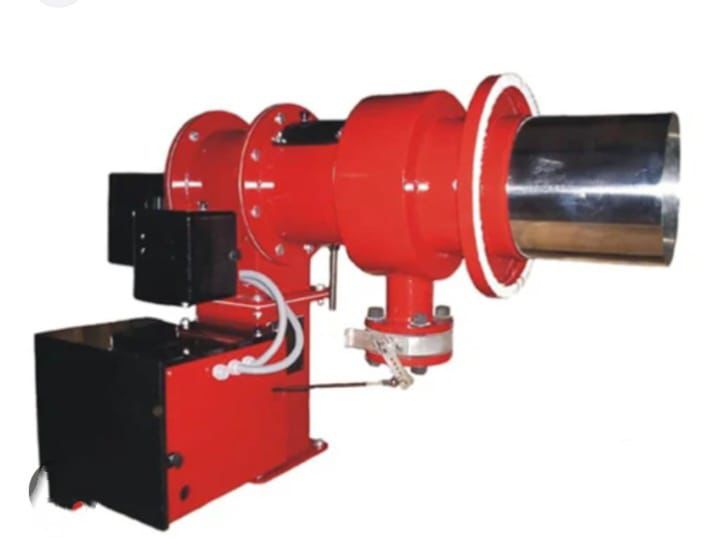 | Dual block Burners Dual Block Burner (120kw to 10500kw )Available in versions for different types of gas. A compact burner, easy to install. View product → |
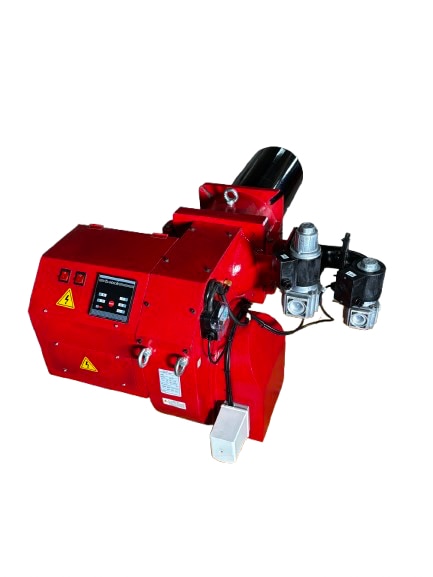 | Gas Burners Gas burner (20 kw to 10500 )Available in versions for different types of gas. A compact burner, easy to install. Designed for easy maintenance. View product → |
Frequently asked questions
What does heat loss mean in a hospitality boiler?
It means the boiler consumes fuel without delivering enough useful hot water or steam. Check combustion losses, fouled heat-transfer surfaces, steam or hot-water distribution losses, and demand exceeding boiler capacity.
Which readings help locate a dual block burner fault?
Record flue-gas temperature, oxygen or carbon dioxide, carbon monoxide, fuel pressure, combustion-air pressure, flame signal, and boiler outlet temperature. Compare readings at low and high fire.
Why can Surat operating conditions affect dual block burner performance?
Ambient temperature, humidity, dust, fuel quality, ventilation, and site elevation influence combustion air, filtration, gas regulation, and heat rejection. Inspect air inlets and filters more frequently when dust loads rise.
Why does the burner fire while the hotel still lacks heat?
The boiler may be undersized, firing below its rated input, transferring heat poorly, or losing heat through steam traps, insulation, valves, or hot-water circulation. Verify load, firing rate, outlet temperature, and distribution losses.
What should you require from a hospitality boiler burner supplier?
Request a written heat-load calculation, burner turndown range, fuel-pressure requirements, emissions targets, commissioning report, combustion-test results, safety-interlock list, warranty terms, spare-parts plan, and service response times.
Keywords